
GTA hospital outage, Stellantis dispute & Ukraine talks
A widespread Microsoft infrastructure outage triggered code greys across Greater Toronto Area hospitals and disrupted transit systems. Meanwhile, Ottawa issued a default notice to automaker Stellantis over its Brampton plant, and international diplomacy stalled as Russia rejected ceasefire terms with Ukraine.
55 stories4 sections326 sources checked
Listen to this edition
PiBrief Canada, November 13, 2026
The lineup
In this edition
 01
PM Mark Carney Pursues EU Associate Membership and European Alliance in Dublin
National News
 02
Finance Minister Champagne Unveils Budget 2026 Productivity Overhaul and Tax Incentives
National News
 03
Immigration Initiative to Grant Permanent Residency to 100,000 In-Country Workers
National News
 04
Ottawa Demands Stellantis Repay Subsidies or Face Lawsuit Over Brampton Plant Sale
National News
 05
Canada Resumes U.S. Trade Talks Amid Budget 2026 Economic Overhaul
National News
 06
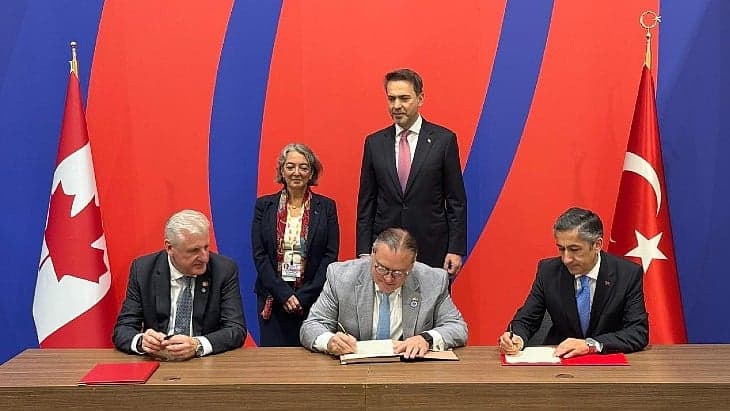
AtkinsRéalis to Study Candu Nuclear Reactor Expansion in Türkiye
National News
 07
Microsoft Cloud Outage Sparks 'Code Grey' Emergencies in Canadian Hospitals
National News
 08
TSX Drops Amid Rate Hikes, Tech Turmoil, and Microsoft Outage
National News
 09
New Study Shows Sublocade Significantly Reduces Fatal Fentanyl Overdoses
National News
 10
Canadian Health Spending to Reach $433B in 2026, Strategic Investment Grows
National News
 11
Canadian Tire Boosts Profits, Slashes Prices on Holiday Goods
National News
 12
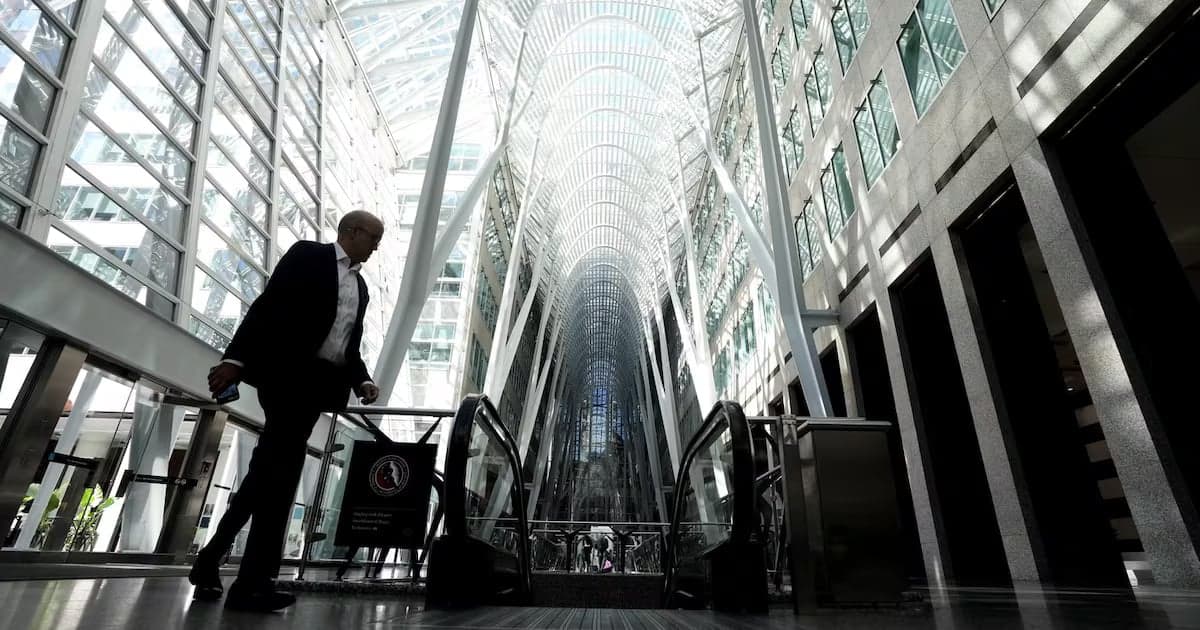
Brookfield Corp. Posts US$1.31 Billion Q3 Profit Driven by Real Assets
National News
 13
High-Risk Sex Offender Released in Winnipeg Prompts Public Safety Alert
National News
 14
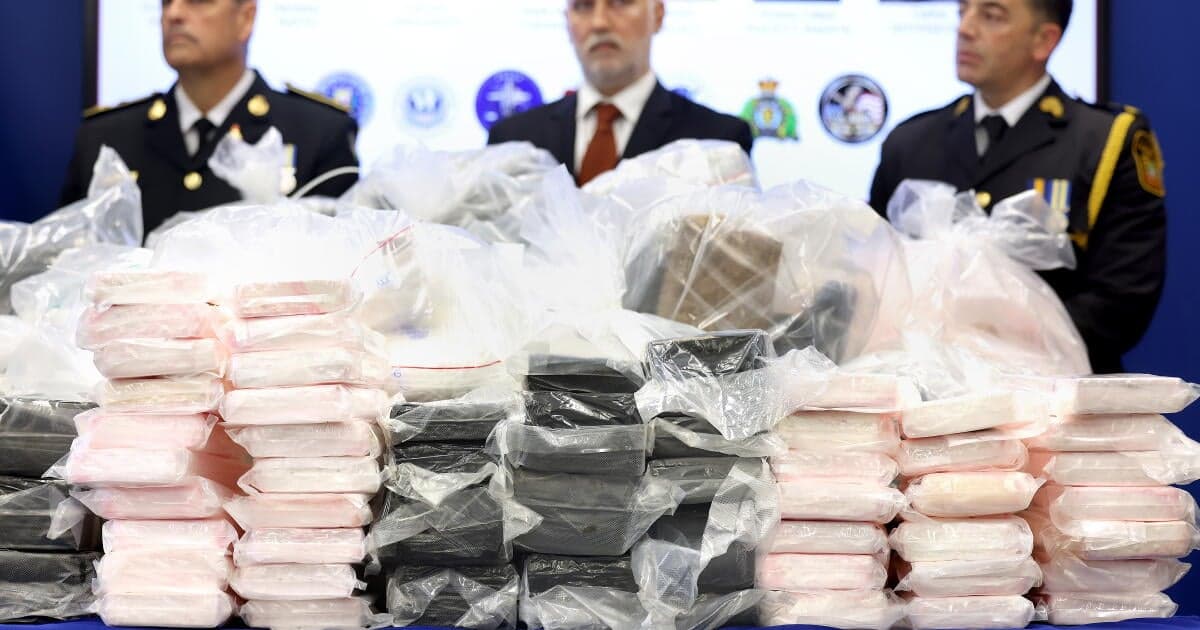
Alleged $100K Monthly Bribe Ring Uncovered in International Drug Syndicate
National News
 15
Putin Rejects Ceasefire, Demands Sweeping Ukrainian Territorial Cession; Diplomacy Stalls
World & Geopolitics
- 16
Ukraine Peace Talks Collapse as Russia Demands NATO Rollback
World & Geopolitics
 17
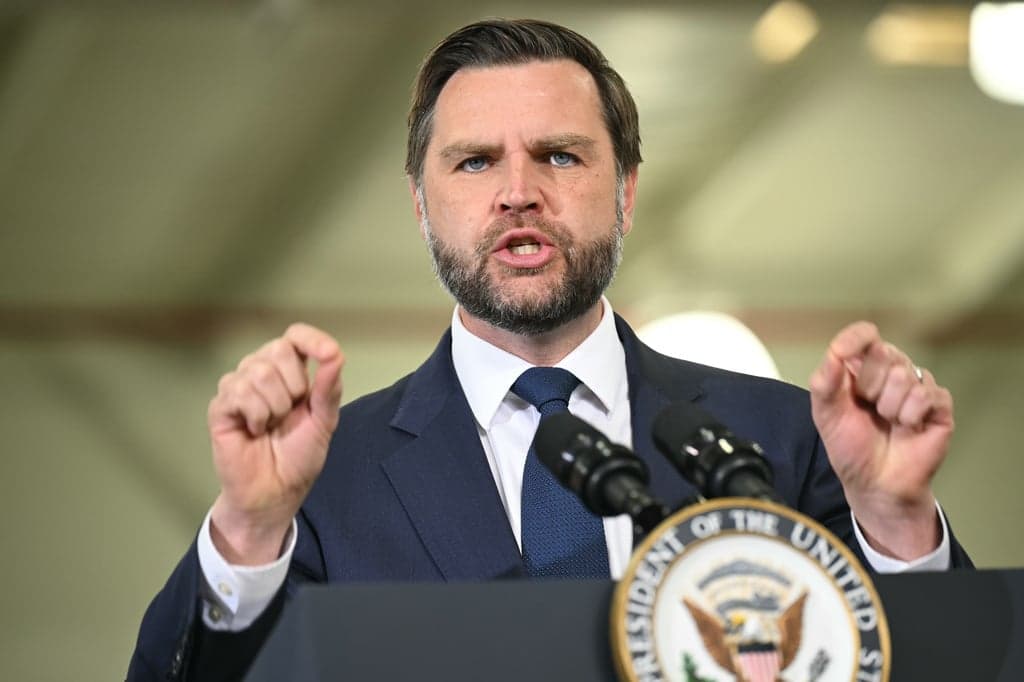
Trump Abandons Iran De-escalation Talks, Reasserts Naval Blockade Amidst Regional Conflict
World & Geopolitics
 18
Houthi Offensive in Lahij Threatens Key Bab el-Mandeb Maritime Corridor
World & Geopolitics
- 19
Prime Minister Carney Pursues Associate EU Membership and Energy Deals at Dublin Summit
World & Geopolitics
- 20
Canada Deepens EU Ties with "Alliance for the Future" and Defense Procurement
World & Geopolitics
 21
Anand Unveils "Middle-Power Doctrine" at Oxford to Navigate Global Great-Power Fractures
World & Geopolitics
 22
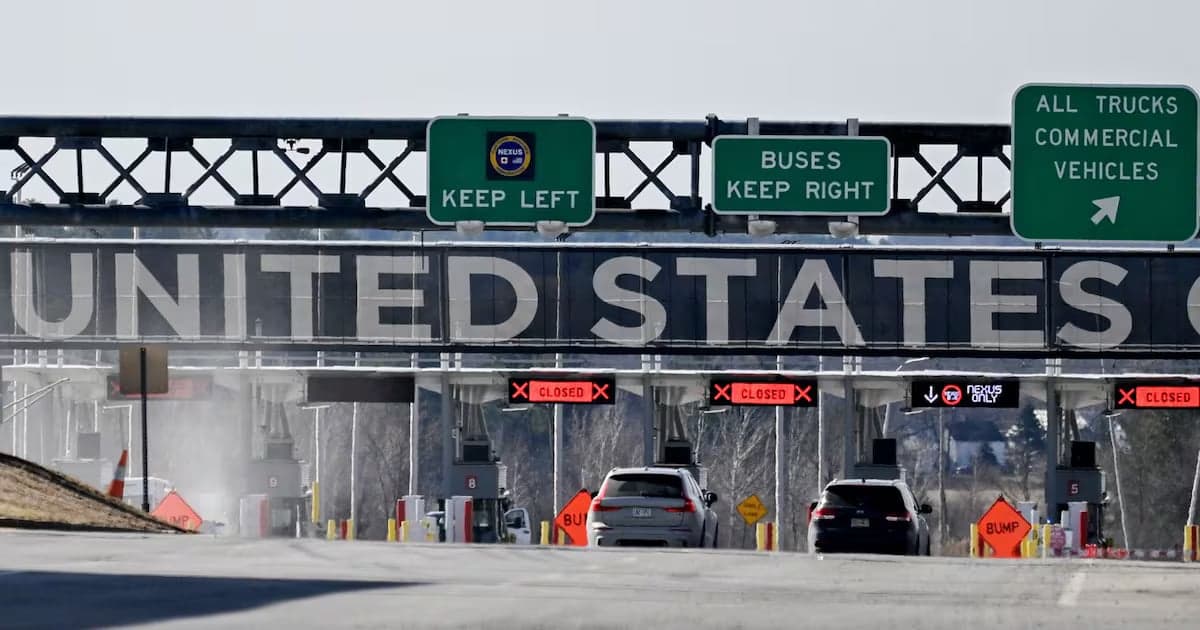
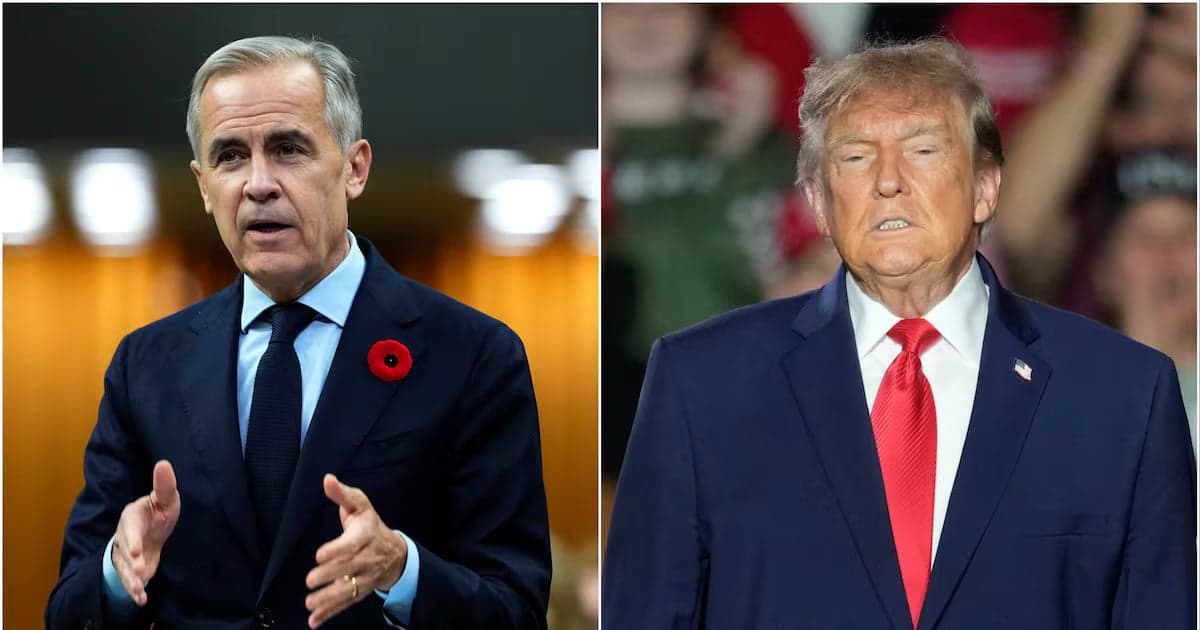
US-Canada Trade Talks Resume Amid Tariff Disputes and Shifting Political Landscape
World & Geopolitics
 23
Canada Eyes Independent Foreign Intelligence Mandate Amidst Deepening U.S. Alliance Strains
World & Geopolitics
 24
Ottawa Launches 'Budget 2026' Industrial Framework to Boost Capital Investment
World & Geopolitics
 25
ASEAN and Canada Finalize Free Trade Agreement, First for North America
World & Geopolitics
 26
US and Japan Forge Deep-Sea Minerals Alliance to Counter Chinese Dominance
World & Geopolitics
 27
NATO Reinforces Northern Flank with New Structures Amid Russian Arctic Buildup
World & Geopolitics
- 28
S&P Global Report Forecasts C$1 Trillion LNG Investment, Warns on Project Timelines
World & Geopolitics
- 29
Nvidia Executive Departure and US Export Probe Create Tech and Infrastructure Uncertainty
World & Geopolitics
 30
Microsoft Infrastructure Outage Causes 'Code Grey' in Toronto Hospitals, Disrupts Municipal Services
City News
 31
Ottawa Issues Default Notice to Stellantis Over Brampton Plant Sale, Threatening Lawsuit
City News
 32
Ontario Enforces Enrolment Caps and Online Curbs on Career Colleges Amid OSAP Probe
City News
 33
Youth Receives Maximum Sentence for Drive-By Shootings at Toronto and Vaughan Synagogues
City News
 34
Lawsuits Launched Against Airlines Over Pearson Airport Baggage-Tag Drug Smuggling Scheme
City News
 35
Bowmanville Home Invasion Sparks School Lockdowns, Police Manhunt
City News
- 36
Toronto Police Freeze Expansion of Mall Community Safety Hubs Amid High Demand
City News
- 37
TTC Opens College Station Elevators, Achieving Full Accessibility Milestone
City News
- 38
CreateTO Selects MOD, Montez for 36-Storey Rental Tower at 931 Yonge Street
City News
 39
Toronto Sees Over 60 Sixplex Applications as Multiplex Policy Gains Traction
City News
 40
GTA Condo Builders Urge Federal Backstop to Prevent Construction Collapse
City News
 41
Blue Jays Apologize to Muslim Community Over Outfielder's Anti-Muslim Social Media Posts
City News
 42
Etobicoke Vigil Mourns Slain Teen Amid Calls for Action on Gun Violence
City News
 43
GTA Braces for Winter as Temperatures Plummet and Snow Flurries Arrive
City News
 44
Blue Jays CEO Apologizes to Muslim Community Over Player's Islamophobic Social Media Posts
Sports
 45
Short-Handed Raptors Fall to 76ers 123-112 After Fourth-Quarter Collapse
Sports
 46
Maple Leafs' Home Woes Continue with 5-2 Loss to Wild as Boldy Scores Hat Trick
Sports
 47
Maple Leafs Extend Losing Streak to Five Games Amidst Chris Tanev Load Management Controversy
Sports
 48
Blue Jays Pursue Ketel Marte and Jonathan Loaisiga Amid Winter Meetings
Sports
 49
Atlanta Braves Sign Evan Phillips to $35 Million Deal, Influencing Blue Jays' Relief Market Strategy
Sports
 50
Blue Jays Closer Louis Varland Named AL Reliever of the Year, All-MLB First Team
Sports
 51
Maple Leafs Place Colton Sissons on IR, Recall Brendan Brisson Amid Roster Strain
Sports
- 52
Raptors' Roster Depth Tested in Loss to 76ers Amidst Growing Injury Concerns
Sports
 53
Raptors' Scottie Barnes Out for Fourth Game; Kawhi Leonard Still Absent
Sports
 54
Rival Teams Inquire About Toronto Blue Jays' Davis Schneider Amid Offseason Roster Moves
Sports
 55
NHL Injury Updates: MacKinnon and Makar Hurt; Sabres Activate Alex Lyon
Sports
See all 55 as a listHide the list
- PM Mark Carney Pursues EU Associate Membership and European Alliance in Dublin
- Finance Minister Champagne Unveils Budget 2026 Productivity Overhaul and Tax Incentives
- Immigration Initiative to Grant Permanent Residency to 100,000 In-Country Workers
- Ottawa Demands Stellantis Repay Subsidies or Face Lawsuit Over Brampton Plant Sale
- Canada Resumes U.S. Trade Talks Amid Budget 2026 Economic Overhaul
- AtkinsRéalis to Study Candu Nuclear Reactor Expansion in Türkiye
- Microsoft Cloud Outage Sparks 'Code Grey' Emergencies in Canadian Hospitals
- TSX Drops Amid Rate Hikes, Tech Turmoil, and Microsoft Outage
- New Study Shows Sublocade Significantly Reduces Fatal Fentanyl Overdoses
- Canadian Health Spending to Reach $433B in 2026, Strategic Investment Grows
- Canadian Tire Boosts Profits, Slashes Prices on Holiday Goods
- Brookfield Corp. Posts US$1.31 Billion Q3 Profit Driven by Real Assets
- High-Risk Sex Offender Released in Winnipeg Prompts Public Safety Alert
- Alleged $100K Monthly Bribe Ring Uncovered in International Drug Syndicate
- Putin Rejects Ceasefire, Demands Sweeping Ukrainian Territorial Cession; Diplomacy Stalls
- Ukraine Peace Talks Collapse as Russia Demands NATO Rollback
- Trump Abandons Iran De-escalation Talks, Reasserts Naval Blockade Amidst Regional Conflict
- Houthi Offensive in Lahij Threatens Key Bab el-Mandeb Maritime Corridor
- Prime Minister Carney Pursues Associate EU Membership and Energy Deals at Dublin Summit
- Canada Deepens EU Ties with "Alliance for the Future" and Defense Procurement
- Anand Unveils "Middle-Power Doctrine" at Oxford to Navigate Global Great-Power Fractures
- US-Canada Trade Talks Resume Amid Tariff Disputes and Shifting Political Landscape
- Canada Eyes Independent Foreign Intelligence Mandate Amidst Deepening U.S. Alliance Strains
- Ottawa Launches 'Budget 2026' Industrial Framework to Boost Capital Investment
- ASEAN and Canada Finalize Free Trade Agreement, First for North America
- US and Japan Forge Deep-Sea Minerals Alliance to Counter Chinese Dominance
- NATO Reinforces Northern Flank with New Structures Amid Russian Arctic Buildup
- S&P Global Report Forecasts C$1 Trillion LNG Investment, Warns on Project Timelines
- Nvidia Executive Departure and US Export Probe Create Tech and Infrastructure Uncertainty
- Microsoft Infrastructure Outage Causes 'Code Grey' in Toronto Hospitals, Disrupts Municipal Services
- Ottawa Issues Default Notice to Stellantis Over Brampton Plant Sale, Threatening Lawsuit
- Ontario Enforces Enrolment Caps and Online Curbs on Career Colleges Amid OSAP Probe
- Youth Receives Maximum Sentence for Drive-By Shootings at Toronto and Vaughan Synagogues
- Lawsuits Launched Against Airlines Over Pearson Airport Baggage-Tag Drug Smuggling Scheme
- Bowmanville Home Invasion Sparks School Lockdowns, Police Manhunt
- Toronto Police Freeze Expansion of Mall Community Safety Hubs Amid High Demand
- TTC Opens College Station Elevators, Achieving Full Accessibility Milestone
- CreateTO Selects MOD, Montez for 36-Storey Rental Tower at 931 Yonge Street
- Toronto Sees Over 60 Sixplex Applications as Multiplex Policy Gains Traction
- GTA Condo Builders Urge Federal Backstop to Prevent Construction Collapse
- Blue Jays Apologize to Muslim Community Over Outfielder's Anti-Muslim Social Media Posts
- Etobicoke Vigil Mourns Slain Teen Amid Calls for Action on Gun Violence
- GTA Braces for Winter as Temperatures Plummet and Snow Flurries Arrive
- Blue Jays CEO Apologizes to Muslim Community Over Player's Islamophobic Social Media Posts
- Short-Handed Raptors Fall to 76ers 123-112 After Fourth-Quarter Collapse
- Maple Leafs' Home Woes Continue with 5-2 Loss to Wild as Boldy Scores Hat Trick
- Maple Leafs Extend Losing Streak to Five Games Amidst Chris Tanev Load Management Controversy
- Blue Jays Pursue Ketel Marte and Jonathan Loaisiga Amid Winter Meetings
- Atlanta Braves Sign Evan Phillips to $35 Million Deal, Influencing Blue Jays' Relief Market Strategy
- Blue Jays Closer Louis Varland Named AL Reliever of the Year, All-MLB First Team
- Maple Leafs Place Colton Sissons on IR, Recall Brendan Brisson Amid Roster Strain
- Raptors' Roster Depth Tested in Loss to 76ers Amidst Growing Injury Concerns
- Raptors' Scottie Barnes Out for Fourth Game; Kawhi Leonard Still Absent
- Rival Teams Inquire About Toronto Blue Jays' Davis Schneider Amid Offseason Roster Moves
- NHL Injury Updates: MacKinnon and Makar Hurt; Sabres Activate Alex Lyon
Section 1 of 4
National News
14 stories · 7 min skim
National News
2 min read
PM Mark Carney Pursues EU Associate Membership and European Alliance in Dublin
Prime Minister Mark Carney attended the European Political Community Summit in Dublin, positioning Canada as a key transatlantic ally in critical minerals, defense, and technology. He advanced discussions for Canada to become the EU's first Associate Member, aiming for deep institutional integration beyond the existing CETA agreement. Carney also held bilateral meetings with European leaders to strengthen trade and defense ties.
Read the full storyFold the full story2 min · 9 sources
Prime Minister Mark Carney represented Canada at the 9th European Political Community (EPC) Summit held at Dublin Castle in Ireland, advancing Ottawa's diplomatic and trade strategy to counter rising global protectionism[1][2]. Addressing European leaders as the only non-European head of government participating in the summit, Carney positioned Canada as an indispensable transatlantic ally in critical minerals, defense supply chains, energy security, and advanced technology[1][2]. The visit marks Carney’s second appearance before the EPC, following his initial address in Armenia earlier in the year[2].
The Dublin summit provided an international platform to build on the Canada–European Union "Alliance for the Future," a bilateral framework inaugurated at the Montreal Canada–EU Summit alongside European Commission President Ursula von der Leyen and European Council President António Costa[1][1]. Under this framework, Ottawa and Brussels are exploring parameters for Canada to become the EU's first formal "Associate Member," seeking the deepest institutional integration possible short of full sovereign accession[1][1]. The diplomatic initiative aims to expand beyond the existing Comprehensive Economic and Trade Agreement (CETA), integrating supply chains and research initiatives while granting Canadian industry privileged access to European defense and industrial procurement mechanisms[1][3].
On the sidelines of the EPC summit, Prime Minister Carney engaged in bilateral discussions with Greek Prime Minister Kyriakos Mitsotakis, President of Cyprus Nikos Christodoulides, Irish Taoiseach Micheál Martin, and representatives from France, Denmark, Latvia, and Sweden[1][1][4]. Bilateral talks with Mitsotakis focused on expanding maritime trade, critical infrastructure, and coordinating commercial priorities ahead of Greece assuming the rotating Presidency of the Council of the European Union[4]. Throughout his meetings, Carney reiterated Canada’s defense commitments to Ukraine and transatlantic stability, citing recent commercial defense milestones under the EU's SAFE Instrument - such as Montreal-based Marconi Technologies supplying tactical radios to Poland's Cyber Command and Galvion securing advanced military contracts[1][4].
Carney also held a press conference addressing domestic controversies and international priorities[5]. He defended Ottawa's push toward European diversification amid escalating cross-border tariff disputes with the United States[6][7][5]. Carney also addressed his absence from the COP31 climate conference in Antalya, Turkey, emphasizing that his schedule prioritized securing immediate trade partnerships, international capital, and industrial security[5][8]. Carney concluded his Dublin itinerary before departing on an official mission to the Asia-Pacific region, including high-level visits to Manila and regional summits[9][8].
- Mark Carney
- European Union
- Dublin
National News
2 min read
Finance Minister Champagne Unveils Budget 2026 Productivity Overhaul and Tax Incentives
Finance Minister François-Philippe Champagne detailed Budget 2026's economic strategy, focusing on capital formation and trade diversification. A key measure, the Productivity Mega Deduction, allows businesses to fully expense a wide range of capital assets, aiming to make Canada's tax rate on new business investment the most competitive in the G7. The budget also includes the Canada Growth Incentive and an enhanced grocery benefit.
Read the full storyFold the full story2 min · 13 sources
Finance Minister and Minister of National Revenue François-Philippe Champagne delivered a keynote address to the Empire Club of Canada in Toronto to outline the government's fiscal framework following the tabling of Budget 2026: Masters of our destiny[1][2][3]. Moderated in an armchair format with CTV National News Chief Anchor Omar Sachedina, Champagne outlined the administration's economic blueprint, framed around domestic capital formation, trade diversification, and commercial resilience[2][3]. The presentation was accompanied by a nationwide rollout by federal cabinet ministers highlighting key components of the economic plan across major manufacturing and resource centers[4][5][6].
A central feature of the Budget 2026 agenda is the Productivity Mega Deduction, a tax policy measure allowing businesses to immediately expense 100 percent of the cost of a broad range of depreciable capital assets, advanced machinery, and digital production equipment[7][8][9]. Champagne argued the incentive lowers Canada’s marginal effective tax rate on new business investment to the most competitive level in the G7[8]. The budget also introduces the Canada Growth Incentive, which establishes a $15 million lifetime capital gains exemption for Canadian residents selling qualifying shares in private active corporations, alongside enhanced small business rollover provisions aimed at keeping venture capital and technology scale-ups anchored within Canada[10][7][11].
The minister addressed the broader fiscal framework, defending a projected federal deficit of $62.3 billion for the 2026–2027 fiscal year by characterizing the expenditure as a necessary "Investment Supercycle" in national defense, clean electricity infrastructure, and industrial capacity[7][6]. Champagne maintained that the federal government remains on track to fulfill its primary fiscal anchor: balancing day-to-day operating expenditures with federal revenues by 2027–2028, a timeline one full year ahead of initial projections[4][6]. He also highlighted the government's affordability program, pointing to the enhanced Canada Groceries and Essentials Benefit - which provides a one-time 50 percent supplement delivering up to $339 for single individuals and $679 for families - and a shift in individual tax filing deadlines to May 15 starting in the 2027 tax year[4][10][12].
Champagne’s remarks occurred alongside coordinated announcements across the country[4][5][13]. In Woodbridge, Ontario, Industry Minister Mélanie Joly joined Ontario Economic Development Minister Vic Fedeli at auto parts manufacturer Martinrea to emphasize industrial incentives for the automotive supply chain[5]. Concurrently, Natural Resources Minister Tim Hodgson in Medicine Hat and Secretary of State Stephanie McLean in Victoria held regional events focused on grid modernization, energy capital, and tech sector deduction rollouts[4][13]. While business groups and financial institutions welcomed the accelerated capital cost write-offs and small business rollover provisions, independent fiscal monitors and opposition critics warned that sustained high borrowing in an environment of global geopolitical volatility poses long-term debt-servicing risks[7].
- François-Philippe Champagne
- Empire Club of Canada
- Budget 2026
National News
2 min read
Immigration Initiative to Grant Permanent Residency to 100,000 In-Country Workers
Immigration Minister Lena Metlege Diab announced a new initiative allowing provinces and territories to nominate up to 100,000 temporary workers already in Canada for permanent residency by March 2027. This program, part of Budget 2026, targets workers in sectors like healthcare, skilled trades, and agriculture who have established employment histories. It aims to retain skilled labor within Canada without increasing overall immigration numbers.
Read the full storyFold the full story2 min · 3 sources
In Dieppe, New Brunswick, Minister of Immigration, Refugees and Citizenship Lena Metlege Diab announced operational details for a time-limited immigration initiative designed to grant permanent residence to up to 100,000 temporary workers and their families in 2027[1][2]. The policy measure, introduced as part of the broader framework of Budget 2026: Masters of our destiny, offers Canada’s ten provinces and three territories optional, supplemental Provincial Nominee Program (PNP) quotas[1][2]. The allocation is specifically tailored to retain skilled labor currently established within Canadian communities rather than increasing gross international entry figures[1].
Under the guidelines, provinces and territories will receive dedicated nomination tranches that must be utilized by March 31, 2027[1][2]. This operational window allows regional governments to nominate foreign workers who possess established employment histories in critical sectors facing labor shortages, including healthcare, home care, skilled trades, and agricultural processing[1][2]. The measure grants provincial authorities discretion to prioritize applicants who have already submitted documentation through various federal pathways - such as the Atlantic Immigration Program, the Agri-Food Pilot, the Rural and Northern Immigration streams, and legacy caregiver programs - that have faced processing queues or application pauses[1][2].
The policy responds to economic demands from provincial premiers and business associations, who have voiced concerns over impending work permit expirations and regional labor deficits[1]. By transitioning individuals who already reside in Canadian cities and towns, rent or own homes, pay income taxes, and are integrated into local workplaces, the program seeks to support domestic labor demands without creating immediate additional demand on local housing and healthcare systems[1]. Minister Metlege Diab emphasized that an immigration strategy aligned with regional economic absorption capacities remains central to national productivity and retention[1].
Provincial leaders and regional business councils offered an initial welcome to the increased regional authority, noting that Atlantic Canada and rural regions have long advocated for broader autonomy to retain essential personnel[1][2]. However, immigration advocacy organizations and legal analysts pointed to administrative hurdles, emphasizing that provincial immigration nominee directories must quickly process candidates before the strict March 31, 2027 allocation deadline[1]. The announcement coincides with ongoing federal assessments regarding Comprehensive Ranking System (CRS) thresholds and Express Entry regularizations[3].
- Lena Metlege Diab
- Canada
- Provinces
National News
2 min read
Ottawa Demands Stellantis Repay Subsidies or Face Lawsuit Over Brampton Plant Sale
The Canadian federal government has issued a notice of default to Stellantis, threatening legal action over the automaker's sale of its Brampton, Ontario plant to Roshel. Ottawa claims Stellantis breached its 2022 funding commitments, which included subsidies for electric and hybrid vehicle production. The government is seeking repayment of approximately $220 million in subsidies provided for Ontario investments, rejecting a smaller voluntary repayment offer.
Read the full storyFold the full story2 min · 8 sources
The federal government escalated an industrial standoff with automaker Stellantis, issuing a formal notice of default and threatening legal action unless the company agrees to repay hundreds of millions of dollars in federal subsidies[1]. Industry Minister Mélanie Joly announced that Ottawa served the multinational automaker with a 30-day notice following Stellantis’s agreement to sell its idled assembly plant in Brampton, Ontario, to Canadian defence technology manufacturer Roshel[2][1]. In a pointed communication to Stellantis Canada CEO Trevor Longley, Minister Joly cited direct breaches of the company’s 2022 funding commitments, specifically noting the cessation of Jeep Compass production, failure to allocate an alternative replacement vehicle, total shutdown of assembly operations, and the decision to offload the facility[1].
The showdown follows months of strained negotiations between Ottawa, Queen's Park, and the automaker[1]. In 2022, the federal government committed up to $529 million through the Strategic Innovation Fund to support the retooling and transformation of Stellantis’s assembly operations in Brampton and Windsor for electric and hybrid vehicle manufacturing[3][4]. However, after Stellantis paused Brampton operations and subsequently pivoted production of key models south of the border, the facility fell into prolonged idling[5][4]. While Stellantis attempted to de-escalate the dispute by offering to "voluntarily return" $24 million in government funds received specifically for Brampton’s initial retooling plans, Minister Joly rejected the offer, stating Ottawa had provided roughly $220 million to the automaker across its Ontario investments and that taxpayers expect full restitution if commitments to Canadian auto workers are abandoned[1][6][3].
The controversy has drawn in federal and provincial leaders as well as labor unions[1][7]. Following an emergency summit in Toronto involving Minister Joly, Ontario Premier Doug Ford, Stellantis executives, and Unifor leadership, Joly addressed reporters, declaring, "Patience has its limits. To be frank, I’m fed up. I’m fed up and Canadians are fed up"[1][3]. While Roshel plans to transform the site into a sovereign advanced-manufacturing hub producing armored tactical vehicles and NATO-compliant defense platforms[5], Unifor - representing roughly 2,000 affected auto workers at the site and more than 9,000 across Stellantis's Canadian footprint - voiced deep anxiety regarding employment continuity, seniority rights, and pay parity[6][8][1].
The dispute has ignited sharp political blowback across Parliament Hill[7]. Federal Conservative Leader Pierre Poilievre criticized the government's shifting response, accusing Prime Minister Mark Carney of backpedaling after previously labeling the sale an "outrageous betrayal" only to later characterize it as a "partial solution"[6][7]. Poilievre demanded full disclosure of all public funds allocated to Stellantis and the enforceable employment conditions attached to them[7]. Meanwhile, federal NDP Leader Avi Lewis demanded that Ottawa use statutory authorities to block the asset transfer altogether, warning against allowing domestic manufacturing hubs to be dismantled in the shadow of cross-border trade tensions[7].
- Stellantis
- Ottawa
- Roshel
National News
2 min read
Canada Resumes U.S. Trade Talks Amid Budget 2026 Economic Overhaul
Bilateral trade talks between Canada and the U.S. have resumed, signaling a potential de-escalation of commercial friction. This development occurs as the Canadian government actively implements its Budget 2026 strategy, focusing on large-scale capital accumulation, energy infrastructure, and industrial autonomy. Finance Minister François-Philippe Champagne emphasized an inward-focused national economic agenda.
Read the full storyFold the full story2 min · 12 sources
Bilateral economic diplomacy between Ottawa and Washington showed its first public signs of revival following the U.S. midterm elections, even as the Canadian government moves aggressively to reshape its domestic economy[1][2]. U.S. Trade Representative Jamieson Greer confirmed on Thursday that U.S. and Canadian officials have held talks "within the past few days" aimed at de-escalating bilateral friction and negotiating a mutually beneficial trade agreement[1]. The discussions mark a potential turning point after months of acute commercial acrimony, which saw Washington impose blanket tariffs over the summer, prompting Canada to prepare counter-tariffs and take the extraordinary step of temporarily halting bilateral negotiations[3].
Against this shifting geopolitical backdrop, Finance Minister François-Philippe Champagne delivered a series of major economic addresses, speaking to business leaders at the Halifax Chamber of Commerce on Thursday before presenting a keynote at the Empire Club of Canada in Toronto on Friday[4][5]. Champagne defended the federal fiscal framework outlined in Budget 2026, titled Masters of our destiny, which pivots federal economic policy toward large-scale capital accumulation, energy infrastructure, and industrial autonomy[6][4][3]. Dismissing questions regarding how renewed U.S. trade talks might alter federal priorities, Champagne insisted the national economic agenda must remain inward-focused: "It’s not about them. This is about us, regaining our ability to build"[7]. The federal blueprint aims to attract $1 trillion in private capital over the next five years while maintaining a fiscal anchor to balance day-to-day operating expenditures with revenues by 2027–2028[8][7].
Simultaneously, senior cabinet ministers fanned out across the country to unveil policy initiatives embedded in the budget[6][9][8][10]. In Medicine Hat, Alberta, Energy and Natural Resources Minister Tim Hodgson announced details of the enhanced Canada Groceries and Essentials Benefit Supplement - providing up to $679 for families to mitigate persistent cost-of-living challenges - while touting Canada’s 1.2% productivity growth over the past year and G7-leading foreign direct investment inflows[11][8]. In Calgary, Prairies Economic Development Minister Eleanor Olszewski unveiled federal investments alongside the budget's new "Productivity Mega-deduction," designed to incentivize businesses to purchase advanced equipment and scale operations[10]. In southern Ontario, ministers Mélanie Joly and Evan Solomon held industrial roundtables highlighting manufacturing and digital infrastructure funding[9][12].
The federal campaign highlights a deliberate shift from reactive trade maneuvering to structural economic defense. By bolstering foundational energy generation, power grid electrification, and domestic manufacturing, Ottawa aims to reduce its reliance on volatile foreign supply chains[4][3]. While business groups have expressed cautious optimism regarding potential progress in trade talks with Greer, corporate leaders and economists agree that Canada’s long-term competitive health will hinge on whether federal productivity tax breaks and private capital targets can offset the chilling effect of continued North American protectionism[1][7].
- Ottawa
- Washington
- Jamieson Greer
National News
2 min read
AtkinsRéalis to Study Candu Nuclear Reactor Expansion in Türkiye
AtkinsRéalis has signed an agreement with Türkiye's state-owned TÜNAŞ to conduct a feasibility study and Front-End Engineering Design (FEED) for a potential six-unit Candu nuclear power plant. The project aims to support Türkiye's energy transition goals and reduce its reliance on natural gas imports. Canadian Minister of Environment and Climate Change Julie Dabrusin was present at the signing.
Read the full storyFold the full story2 min · 6 sources
In a major international commercial development for Canada’s engineering and energy exports, Montreal-based AtkinsRéalis Group Inc. (TSX: ATRL) announced it has signed a Memorandum of Agreement (MOA) with Turkish state-owned entity Türkiye Nükleer Enerji Anonim Şirketi (TÜNAŞ)[1][2]. Formalized on the sidelines of the COP31 climate conference in Antalya, the agreement tasks AtkinsRéalis subsidiary Candu Energy Inc. with conducting a comprehensive feasibility study and Front-End Engineering Design (FEED) for a potential six-unit, 4.5-gigawatt (GW) nuclear power plant deployed on Turkish soil[1][3][2]. The agreement was witnessed by Turkish Energy and Natural Resources Minister Alparslan Bayraktar and Canadian Minister of Environment and Climate Change Julie Dabrusin[4].
The feasibility program, scheduled to conclude by 2027 or 2028, will evaluate technical site characteristics, environmental parameters, supply-chain logistics, and multi-unit layout designs[5][6][2]. Authorities in Ankara are currently assessing two primary regions for the project: Sinop along the Black Sea coast and Thrace in the northwest[5]. The initiative directly serves Türkiye's broader energy transition strategy, which aims to install 10 GW of nuclear power capacity by 2040 to curtail its heavy dependence on natural gas imports[5][3]. The bilateral deal comes approximately three weeks after Prime Minister Mark Carney traveled to Türkiye for bilateral energy and security talks with President Recep Tayyip Erdogan[6].
The commercial implications for the Canadian nuclear supply chain are substantial. AtkinsRéalis President and Chief Executive Officer Ian L. Edwards stated that the agreement directly reflects federal ambitions to broaden the international footprint of Canadian nuclear IP[1][2]. Edwards noted that while the overall capital structure will involve local Turkish construction partners and suppliers, AtkinsRéalis is positioned to provide approximately 35% to 40% of the overall capital expenditure, driven by reactor technology licensing, specialized tooling, and advanced engineering services[1]. Financing models under discussion envisage export credit backing anchored by Export Development Canada (EDC) alongside international commercial lenders[3].
The venture highlights renewed global interest in Candu heavy-water technology, which offers operational flexibility, low-carbon baseload electricity, and high domestic localization rates[2]. For AtkinsRéalis, which has methodically transitioned away from lump-sum turnkey construction toward high-margin engineering services and clean-power technology, the Turkish deployment represents a marquee foreign pipeline asset[2]. If the FEED study results in a positive final investment decision, commercial power generation from the CANDU facility is projected to come online by 2036, significantly expanding Canada’s commercial nuclear footprint across Eurasia[3].
- AtkinsRéalis
- Candu Energy Inc.
- Türkiye
National News
2 min read
Microsoft Cloud Outage Sparks 'Code Grey' Emergencies in Canadian Hospitals
A widespread Microsoft cloud outage severely disrupted operations across Canadian hospitals, government agencies, and transport providers, crippling services like Microsoft 365 and Teams. Major Ontario and Quebec hospitals declared 'Code Grey' emergencies, forcing a return to manual communication methods and impacting patient care logistics. The incident highlights the critical dependency on single-vendor cloud infrastructure.
Read the full storyFold the full story2 min · 7 sources
A sprawling failure across Microsoft’s core enterprise cloud infrastructure disrupted operations across major Canadian hospital networks, municipal governments, and transport providers[1][2]. The outage crippled Microsoft 365, Exchange Online, and Teams services across North America[1][3][2]. The operational impact proved particularly acute in urban healthcare systems[1]. In Ontario, Unity Health Toronto - which oversees major acute care centres including St. Michael’s Hospital and St. Joseph’s Health Centre - officially declared an enterprise "Code Grey," an emergency protocol invoked when an institution suffers a catastrophic loss of critical infrastructure[1][4][5].
The technological breakdown stripped clinical and administrative staff of incoming and outgoing email communications, real-time messaging, and shared digital administrative directories[1][6][4]. Similar operational bottlenecks cascaded through other key healthcare institutions, including the University Health Network (UHN) and Sunnybrook Health Sciences Centre in Toronto, as well as the Centre hospitalier de l'Université de Montréal (CHUM) and the Jewish General Hospital in Quebec[1][6][4]. At CHUM and the Jewish General, digital appointment confirmation queues froze, prompting administrators to issue urgent public advisories pleading with outpatients scheduled for specialized appointments or procedures to circumvent email and contact diagnostic desks directly via legacy telephone switchboards[1][6].
The disruption underscores the acute vulnerability of modern clinical ecosystems to single-point-of-failure commercial software suites[1][2]. While acute bedside care, operating rooms, and emergency room monitoring suites remained physically functioning without direct patient injury, the loss of electronic communication created severe logistical friction[1][4]. Physician consults, laboratory reports, inter-facility transfer documentation, and surgical scheduling were forced onto manual or verbal workarounds[1][6][2]. Beyond healthcare, the incident affected municipal agencies such as City of Toronto operations and national passenger rail carrier Via Rail, which alerted passengers that automated journey updates and ticketing notices were non-functional[1][6][4].
Microsoft acknowledged the incident, stating that an abnormal traffic spike and elevated load conditions across core server clusters caused widespread connection timeouts[1][7]. While engineers worked through the night to reroute operational workloads, attempts to deploy corrective updates faced unexpected rollbacks as traffic management imbalances persisted[7]. Healthcare IT analysts and digital governance experts emphasized that the incident must serve as a wake-up call for public health authorities, reigniting calls for mandatory offline redundancy standards and multi-vendor failsafes across critical Canadian healthcare infrastructure.
- Microsoft
- Microsoft 365
- Exchange Online
National News
2 min read
TSX Drops Amid Rate Hikes, Tech Turmoil, and Microsoft Outage
The S&P/TSX Composite Index experienced a significant decline, pulled down by falling commodity prices, fallout from the Nvidia CEO's resignation, and concerns over Canada's macroeconomic outlook following the Bank of Canada's interest rate hike. A major Microsoft cloud outage further disrupted Canadian business, transportation, and healthcare systems.
Read the full storyFold the full story2 min · 12 sources
Canadian equity markets experienced sharp downward momentum, as the S&P/TSX Composite Index dropped by more than 250 points, pulled lower by heavy losses across base metals, resource equities, and international tech fallout[1]. Global equity markets were jolted by the sudden resignation of Nvidia CEO Jensen Huang over corporate and national security concerns, which sent ripples through technology supply chains and triggered broader portfolio de-risking[2][3][4]. However, the domestic market’s vulnerability was exacerbated by mounting concerns over Canada’s macroeconomic trajectory following the Bank of Canada’s surprise 25-basis-point interest rate increase to 2.5% in late October[5][5]. The TSX’s pullback snapped a resilient run, highlighting corporate anxiety that higher-for-longer borrowing rates will choke off early economic growth[6].
The market retreat coincided with the release of new economic assessments highlighting friction in the national recovery. A macroeconomic outlook issued by KPMG warned that Canada faces a "gradual and bumpy recovery," cautioning that while second-quarter annualized GDP growth hit 3.3%, ongoing trade disputes with the United States and sluggish business investment threaten to extinguish momentum[7]. Adding to these headwinds, analysis published by RBC Economics economists Nathan Janzen and Claire Fan revealed that surging capital expenditures on artificial intelligence have failed to meaningfully stimulate Canadian GDP[8][7]. While Canadian purchases of AI and computing machinery surged 28% over the first half of 2026, roughly 75% of that equipment was imported from abroad, muting the domestic economic multiplier effect[7].
Operational challenges compound these market pressures. A massive, multi-region Microsoft cloud infrastructure outage began Thursday afternoon and dragged into Friday, triggering operational disruptions across Canadian business, transportation, and healthcare systems[3][9][10]. In Toronto, the Unity Health hospital network was forced to declare an internal "Code Grey" infrastructure emergency due to disrupted staff email and messaging systems[9][10]. In Quebec, the Centre hospitalier de l'Université de Montréal (CHUM) reported processing delays for patient appointment bookings[9][11]. Concurrently, national passenger rail carrier Via Rail reported that trip alert notifications were impaired, forcing passengers to rely on SMS and manual web tracking[9][10].
The convergence of tech infrastructure vulnerability, monetary tightening, and stock market volatility has intensified scrutiny on the Canadian economy’s resilience[6][5]. As households brace for impending mortgage renewals at elevated 2.5% central bank policy rates, Canadian corporate leaders face a tightening financial environment marked by persistent imported costs, soft consumer discretionary demand, and digital supply-chain fragility[5][5][12].
- S&P/TSX Composite Index
- Nvidia
- Jensen Huang
National News
2 min read
New Study Shows Sublocade Significantly Reduces Fatal Fentanyl Overdoses
A comprehensive study from London, Ontario, reveals that Sublocade, a monthly injectable buprenorphine treatment, offers superior protection against fatal fentanyl overdoses compared to daily oral opioid agonist therapies. Analyzing over 45,000 overdose survivors, researchers found virtually no deaths among patients on continuous Sublocade, unlike those on methadone, oral Suboxone, or Kadian.
Read the full storyFold the full story2 min · 5 sources
In a breakthrough development for Canadian addiction medicine, researchers at the Rapid Access Addiction Medicine (RAAM) Clinic in London, Ontario, unveiled results from a comprehensive, multi-year clinical study evaluating the real-world efficacy of four frontline opioid agonist treatments[1][2]. The investigation, led by Dr. Kenneth Lee, the medical director of the London RAAM clinic, analyzed health outcomes from a cohort of 45,243 individuals across Ontario who suffered one or more opioid-related overdoses between 2022 and 2024[3][2]. The findings demonstrated that Sublocade - an extended-release injectable formulation of buprenorphine administered monthly - offered vastly superior protection against fatal overdoses compared to standard daily therapies[2].
The context of the research is rooted in Canada’s escalating toxic drug crisis, where highly potent, synthetic illicit fentanyl and associated tranquilizers have rendered traditional harm reduction and substitution treatments less reliable[4][2]. While methadone, oral Suboxone (buprenorphine/naloxone), and slow-release oral morphine (Kadian) have long formed the bedrock of provincial substitution regimens, patients frequently experience breakthrough withdrawal symptoms and acute cravings, leading to dangerous concurrent street drug use[2][5]. Furthermore, missing a single daily oral dose can cause tolerance to crater, leaving users exceptionally susceptible to death if they consume tainted fentanyl supplies[2].
The empirical data revealed stark contrasts in mortality[2]. Out of the study population, 4,109 individuals experienced a non-fatal overdose, and 770 people died[2]. Among those fatal overdoses, 58 deaths occurred in patients actively prescribed methadone, 37 in patients receiving daily oral Suboxone, and 18 in those receiving Kadian[2]. By contrast, patients maintained on continuous Sublocade therapy suffered virtually zero lethal overdose events[2]. Dr. Lee explained that because Sublocade establishes an unbroken, steady subcutaneous blockade that persistently coats the brain's mu-opioid receptors for 30 consecutive days, it eliminates the daily physiological "peaks and valleys" of oral medications, mechanically preventing street fentanyl from binding and triggering fatal respiratory failure[2].
The findings have generated significant interest among provincial health ministries, clinical toxicologists, and community health centers struggling to stem municipal overdose fatalities. Medical advocates noted that expanding access to Sublocade eliminates the burden of mandatory daily pharmacy visits, greatly stabilizing unhoused individuals and marginalized patients. However, clinical teams cautioned that broad adoption faces administrative hurdles, including the requirement for trained clinicians to perform subcutaneous deep-tissue injections and existing provincial drug formulary restrictions. Health policy specialists argue that integrating these findings into provincial public drug benefits could represent one of the most effective interventions against fentanyl mortality seen in years.
- Sublocade
- Buprenorphine
- Fentanyl
National News
2 min read
Canadian Health Spending to Reach $433B in 2026, Strategic Investment Grows
Canadian health expenditures are projected to reach $433 billion in 2026, representing 12.8% of GDP, according to the Canadian Institute for Health Information. While overall spending growth has moderated, a significant portion is now driven by strategic investments in modernization, recruitment, and digital health, rather than solely demographic pressures and inflation. Hospitals and physician compensation remain major cost drivers.
Read the full storyFold the full story2 min · 4 sources
National health expenditures across Canada are projected to hit $433 billion in 2026, equivalent to $10,398 for every Canadian resident, according to data from the Canadian Institute for Health Information (CIHI)[1][2]. The landmark report, National Health Expenditure Trends, 2026, reveals that healthcare outlays now represent 12.8% of the country’s entire gross domestic product (GDP)[1][2]. While overall annual spending growth has moderated to 4.8% - down from the emergency highs of 8.5% in 2024 and 5.2% in 2025 - the pace of expenditure continues to substantially outstrip the broader rate of domestic economic expansion[1][2].
Significantly, the economic analysis identified a fundamental turning point in what is driving national healthcare budgets[3][1]. During the immediate aftermath of the pandemic, budget growth was overwhelmingly consumed by defensive pressures: general inflation, an aging population, and steep population increases[3][1]. However, CIHI’s economic indicators show that in 2026, health spending expanded by more than $5 billion beyond demographic aging and inflation[3][1]. Economists attribute this divergence to an aggressive structural pivot by federal, provincial, and territorial governments toward modernizing clinical delivery, recruiting permanent healthcare personnel, and deploying digital health infrastructure, including artificial intelligence diagnostics and modernized clinical data exchanges[3][1].
Hospitals remain the single largest cost driver, absorbing over a quarter of total national health dollars, with hospital spending projected to grow by 5.1% this year[1][3][2]. While reliance on exorbitant third-party private nursing agencies has receded from its post-pandemic emergency peak, baseline clinical payroll, staff overtime, and complex inpatient care continue to place severe upward pressure on hospital operational budgets[1]. Concurrently, expenditures on physician compensation are projected to surge by 8.3% in 2026 - following a 5.6% jump in 2025 - driven by newly renegotiated provincial master agreements designed to stem the hemorrhaging of family physicians from primary care[1][2]. Pharmaceuticals represent the third major pillar, commanding nearly 13% of all expenditures as expensive specialized biologic therapies enter wider circulation[1][4].
Public-sector healthcare spending is forecast to rise 5.2% in 2026, while private expenditures (encompassing out-of-pocket dental, prescription, and private paramedical services) are set to rise 4.0%[1][2]. CIHI Director of Health Spending Lacey Langlois emphasized that the shift away from inflation-driven defense toward active system investment presents a crucial window of opportunity[3][1]. However, fiscal policy watchdogs and provincial finance ministers have expressed caution, noting that with health budgets absorbing nearly 13 cents of every dollar generated in the national economy, regional governments will face difficult fiscal choices unless these targeted capital investments yield measurable reductions in diagnostic backlogs and emergency room wait times[1][3][2].
- Canadian Institute for Health Information (CIHI)
- GDP
- Hospitals
National News
2 min read
Canadian Tire Boosts Profits, Slashes Prices on Holiday Goods
Canadian Tire reported strong third-quarter earnings, with net income rising 29.9% year-over-year, driven by broad-based sales growth across its retail banners and a surge in e-commerce revenue. The company also increased its quarterly dividend. To attract cost-conscious consumers, Canadian Tire has implemented significant price cuts on over 5,000 holiday and household items.
Read the full storyFold the full story2 min · 5 sources
Canadian Tire Corp. Ltd. (TSX: CTC) revealed a dual strategy of solid financial execution and aggressive promotional pricing, reporting third-quarter earnings that surpassed analyst expectations while rolling out sweeping price cuts to court cash-strapped Canadian shoppers[1][2][3]. The Toronto-based retail giant posted net income attributable to shareholders of $219.6 million, or $4.27 per diluted share, for the quarter ended October 3[2][3]. This represents a 29.9% increase over net income of $169.1 million, or $3.13 per share, during the prior-year period[2][3]. Consolidated revenue rose 5.3% to $4.32 billion, while retail sales climbed 4.4% to $4.74 billion[4][3]. Reflecting its cash-flow confidence, the board approved an increase to its quarterly dividend to $1.825 per share ($7.30 annually), marking the company’s 17th consecutive year of dividend hikes[2][5].
Sales momentum proved broad-based across Canadian Tire’s retail banners. Comparable retail sales grew by 3.2% overall, with the core Canadian Tire retail network up 3.2%, SportChek gaining 3.2%, and Mark’s expanding by 3.3%[2]. Digital initiatives delivered significant acceleration, as e-commerce revenue jumped 15.3% across the group and 25% at the core Canadian Tire banner, supported by a 6.3% rise in Triangle Rewards loyalty customer sales[5][4]. In addition, the company’s Financial Services arm generated record revenue and an 18% increase in earnings before taxes, underpinned by stable credit card charge-off rates and consumer portfolio discipline[5][4].
Despite the strong quarter, Canadian Tire management warned that consumers remain deeply cautious regarding discretionary spending under persistent inflation and elevated debt servicing costs[4]. To capture demand heading into the critical fourth quarter, Canadian Tire announced it has lowered prices on more than 5,000 holiday and household items, including gift wrap, holiday ornaments, and kitchenware, while expanding dedicated toy departments and Hudson’s Bay merchandise shop-in-shops[1][2]. President and CEO Greg Hicks noted that Canadian households continue to be highly deliberate in allocating budgets, forcing retailers to focus obsessively on value propositions and retail price discipline[4].
Equity markets responded positively to the announcement, sending Canadian Tire shares upward by nearly 7% in mid-day trading on the TSX toward $218[2]. Analysts observed that Canadian Tire's proactive discounting strategy illustrates the intense competitive pressure in Canadian retail, where traditional brick-and-mortar operators are having to sacrifice product gross margins to protect foot traffic and market share against deep-discount rivals.
- Canadian Tire Corp. Ltd.
- Greg Hicks
- SportChek
National News
2 min read
Brookfield Corp. Posts US$1.31 Billion Q3 Profit Driven by Real Assets
Brookfield Corp. reported a significant increase in third-quarter net income, reaching US$1.31 billion, up from US$219 million in the prior year. The strong performance was driven by its core platforms in infrastructure, renewable power, and private equity, benefiting from inflation-linked assets and durable cash flows. The company also highlighted active capital deployment across major transactions.
Read the full storyFold the full story1 min · 2 sources
Brookfield Corp. reported a substantial surge in profitability for its third quarter, underscoring the earnings power of real assets amid fluctuating global financial markets[1]. The Toronto-based alternative asset management powerhouse posted net income attributable to shareholders of US$1.31 billion, or 54 cents US per diluted share, for the three-month period ended September 30[1]. The performance represents a dramatic increase compared to the US$219 million, or eight cents US per diluted share, recorded during the same period in 2025[1]. Consolidated revenue expanded to US$20.69 billion, up from US$18.92 billion a year prior, while distributable earnings per share - a key operational metric monitored by institutional investors - rose to 73 cents US from 63 cents US[1].
The company's strong quarter was propelled by resilient distributions and operating performance across its core platforms, including infrastructure, renewable power, and private equity[1]. Brookfield president Nick Goodman emphasized that the firm’s strategic emphasis on high-quality real assets has acted as a critical stabilizer against macroeconomic volatility[1]. Goodman noted that the portfolio's inflation-linked revenues, pricing leverage, and durable cash flows position the firm to sustain growth even as central banks calibrate interest rates at higher resting levels[2][1].
The results arrived against a backdrop of active capital deployment by Brookfield across the Canadian and global economies. In recent weeks, the conglomerate has spearheaded major real estate transactions - such as closing the LXP Industrial Trust transaction with CPP Investments - and partnered with TransAlta to build hyperscale data centres in Alberta to meet explosive enterprise compute demands[1]. Brookfield's ability to maintain healthy fundraising pipelines and monetise mature assets has reinforced its status as one of Canada's most critical export conduits for private capital management[1].
Institutional investors responded favorably to the earnings report, viewing Brookfield's expanding cash generation as validation of its infrastructure-first model[1]. In an investment landscape increasingly bifurcated between speculative technological equities and capital-heavy utilities, Brookfield's performance illustrates that defensive, essential asset classes remain capable of generating double-digit earnings growth[1].
- Brookfield Corp.
- Nick Goodman
- CPP Investments
National News
2 min read
High-Risk Sex Offender Released in Winnipeg Prompts Public Safety Alert
Manitoba authorities have issued a public warning regarding the release of Marinus Willemse, a 59-year-old convicted sex offender assessed as an extreme risk to reoffend. Willemse, who has a decades-long history of violent sexual offenses and has been re-arrested shortly after previous releases, is now residing in Winnipeg. He is subject to strict lifetime court orders prohibiting contact with minors and possession of weapons.
Read the full storyFold the full story2 min · 6 sources
Public safety authorities in Manitoba issued a high-priority community notification warning the public of the release of 59-year-old Marinus Willemse, a convicted chronic sex offender assessed by forensic clinicians and police as posing an extreme risk of violent sexual reoffending against adult women and children[1][2][3]. The alert was coordinated by the Manitoba Integrated High Risk Sex Offender Unit (MIHRSOU) - a specialized joint-forces task force composed of the Winnipeg Police Service and the Royal Canadian Mounted Police (RCMP)[1][2]. Willemse completed an eight-month sentence for breach of recognizance at the Milner Ridge Correctional Centre and is taking up residence within the city of Winnipeg[1][2][4].
Willemse possesses an extensive, four-decade criminal record encompassing some of the most alarming offenses in modern Canadian penal history[2][5]. In 1984, at the age of 17, he broke into a home in Sarnia, Ontario, and abducted a four-year-old girl directly from her bed, covering her mouth before being intercepted by police[5]. In 1986, he attempted to lure six children under the guise of paying them to rake leaves[2][5][4]. Released in 1988, he violently assaulted a commercial store clerk and abducted an arriving customer within two months of his discharge[5]. Most notoriously, in November 1999, Willemse abducted two young girls from a playground before holding a knife to the head of a mother and her daughter in a residential break-in later that day, eventually culminating in a global 20-year federal penitentiary sentence[2][4].
Crucially, law enforcement highlighted a disturbing behavioral pattern: throughout his criminal lifetime, Willemse has served three distinct federal penitentiary sentences and has been re-arrested within approximately one month of release every single time[1][3][6]. Following his release from a 20-year sentence in 2022, he was back in custody within weeks for possessing weapons and uttering death threats[1][4]. A temporary release in early 2026 similarly ended in rearrest by June for violating court-ordered safety conditions[1].
Under the conditions of his current release, Willemse is bound by a Section 161 lifetime order under the Criminal Code prohibiting him from entering public parks, public pools, daycare centres, schools, or recreational grounds where individuals under 14 years of age congregate[1][3]. He is also barred from seeking employment or volunteer activities that confer authority over minors and remains under strict weapons prohibitions and interim peace bond terms[1][2][3]. The notification prompted widespread distress and anger among local Winnipeg neighborhood associations and victims' rights advocates, who pointed to Willemse’s case as definitive proof of systemic legislative gaps in Canadian sentencing and mandatory release guidelines for unreformable, dangerous predators.
- Marinus Willemse
- Manitoba Integrated High Risk Sex Offender Unit
- Winnipeg Police Service
National News
2 min read
Alleged $100K Monthly Bribe Ring Uncovered in International Drug Syndicate
Unsealed indictments reveal alleged corruption within a major drug syndicate led by fugitive Ryan Wedding, detailing payments of $100,000 per month to public officials for sensitive law enforcement intelligence. This information allegedly aided the smuggling of large cocaine quantities into Canada and the U.S. The case involves intermediaries linked to the Sinaloa and CJNG cartels, highlighting deep integration between organized crime and corrupt officials.
Read the full storyFold the full story2 min · 8 sources
New disclosures in cross-border federal court filings shed light on the transnational criminal apparatus allegedly operated by former Canadian Olympic snowboarder turned fugitive drug lord Ryan James Wedding[1][2][3]. Indictments unsealed in the United States District Court reveal that Wedding's billion-dollar cocaine syndicate paid a staggering $500,000 initiation fee followed by average monthly retainers of $100,000 to secure sensitive, non-public law enforcement intelligence and operational clearance from corrupt public officials[2]. The intelligence was weaponized to move commercial-scale quantities of Colombian cocaine through Mexico and the United States straight into primary distribution hubs in Ontario, Quebec, and British Columbia while actively evading joint international manhunts[4][2][3].
The court filings name key intermediaries who bridged Wedding’s Canadian leadership group with violent Mexican drug cartels[1][3]. Federal prosecutors charged Roberto Gomez, an American gang operative who absconded to Mexico, with acting as a high-level logistics broker and procurement chief for Wedding[1][3]. Gomez allegedly coordinated directly with commanders in the Sinaloa Cartel and the Jalisco New Generation Cartel (CJNG) to obtain early warnings regarding active wiretaps, sealed search warrants, and pending RCMP and FBI target profiles[1][3]. Concurrently, the filings linked Wedding to Edgar Aaron Vazquez Alvarado ("El General"), the founder of El Cártel Nuevo Imperio, who was recently killed in a gun battle with Mexican security forces[1][2][3]. Vazquez reportedly provided Wedding’s couriers with daily rotating code phrases that allowed maritime and overland drug convoys to pass through Mexican military and police checkpoints entirely uninspected[2][3].
These intelligence disclosures follow the arrest of Mexican federal judge Luis Benítez Alcántara, who was apprehended by international authorities in Colombia on U.S. warrants alleging he accepted a $2 million bribe to grant bail to Wedding’s second-in-command, Canadian national Andrew Clark[4][5]. While Clark was subsequently recaptured and Wedding himself was brought into custody to face trials for multiple homicides, witness assassinations, and kingpin-level narcotics charges, the disclosures showcase the unprecedented depth to which Canadian organized crime has integrated with elite Mexican cartel hierarchies[4][2][5].
Adding a visual spectacle to the sprawling case, Mexican authorities through the Institute for Returning Stolen Assets to the People (INDEP) opened a high-profile public auction in Mexico City featuring Wedding’s seized $40 million luxury motorcycle fleet[6][7][8]. The collection of 61 rare machines included race-used MotoGP prototypes from Ducati, Yamaha, and Honda, previously piloted by motorsport icons such as Valentino Rossi and Marc Márquez[6][8]. While international collectors engaged in fierce bidding, Canadian law enforcement officials noted that the real significance of the week's proceedings lies in the unsealed evidence, which provides a roadmap of the financial and systemic corruption required to orchestrate modern drug pipelines into Canada.
- Ryan James Wedding
- Sinaloa Cartel
- Jalisco New Generation Cartel
Section 2 of 4
World & Geopolitics
15 stories · 7 min skim
World & Geopolitics
3 min read
Putin Rejects Ceasefire, Demands Sweeping Ukrainian Territorial Cession; Diplomacy Stalls
High-level diplomatic talks involving Russia, Ukraine, and the U.S. concluded with a prisoner exchange but no progress on a broader ceasefire. Russian President Vladimir Putin has reiterated maximalist demands, insisting on Ukraine ceding additional territories beyond current occupation.
Read the full storyFold the full story2 min · 12 sources
High-stakes diplomatic negotiations between Russian, Ukrainian, and American representatives yielded a major prisoner exchange but failed to secure any broader ceasefire or territorial framework[1], as Russian President Vladimir Putin reaffirmed Moscow’s maximalist war demands[2][3]. Following two days of trilateral discussions in Abu Dhabi, U.S. envoys Steve Witkoff and Jared Kushner traveled directly to Moscow to meet with Putin, before proceeding to Europe to consult with Ukrainian President Volodymyr Zelenskyy[2][1]. In statements following the Moscow summit, Russian officials confirmed that the Kremlin remains categorically opposed to any compromise on Ukraine’s borders[2][3]. Putin reiterated that any formal end to the conflict requires Ukraine to fully cede not only the remaining Ukrainian-held sections of Donetsk, Luhansk, Zaporizhia, and Kherson oblasts, but also additional northern areas occupied by Russian troops[3].
Military analysts warn that Moscow's interest in local truce proposals is tactical rather than diplomatic[2]. A battlefield assessment released by the Institute for the Study of War (ISW) detailed how Russia has sought localized ceasefires - such as around Kostyantynivka - primarily to evacuate civilians, redeploy heavy equipment, and amass combat formations to stage an offensive toward Druzhkivka, a linchpin in Ukraine’s fortified Fortress Belt[2]. The frontlines continue to sustain intense attritional warfare; the Ukrainian General Staff reported that Russian forces suffered 2,590 personnel casualties, lost 44 artillery systems, and saw 1,160 tactical unmanned aerial vehicles (UAVs) eliminated over a 24-hour window, pushing cumulative Russian personnel losses past 1.6 million[4][5]. Confronting relentless Russian strikes aimed at crippling domestic power grids ahead of winter[1], Ukrainian defense leaders have accelerated indigenous and regional technology programs[6][7]. Davyd Aloian, Deputy Secretary of Ukraine's National Security and Defense Council, announced that Ukraine is collaborating with the Netherlands on advanced air-defense systems, including the FREYJA interception project and the joint "Bliksem" counter-ballistic system[7].
Concurrently, the Ukrainian Ministry of Defence formally announced that it is seeking €40 billion in dedicated international financing to cover baseline defense and procurement needs for 2027[6]. However, the prospect of prolonged U.S. congressional budget battles and skepticism from Washington over continuous foreign assistance packages have created acute anxiety across European defense ministries[8][9]. Defense planners fear that any unilateral suspension of American early-warning missile data and PAC-3 interceptor shipments would leave Ukrainian civil infrastructure defenseless against Russian strikes, heightening pressure on European and Commonwealth partners to step into the funding vacuum[8].
This geopolitical impasse places substantial direct demands on Canada’s defense architecture and fiscal commitments. Having made bilateral security assurances a cornerstone of its transatlantic obligations, Ottawa faces growing requests from NATO allies to bridge Ukraine’s looming funding and materiel deficits[10][6]. In parallel, the hardening Russian stance across Eastern Europe has intensified Canada's urgency regarding Arctic defense[11]. With NATO actively seeking to develop a coordinated, long-term Arctic security posture, Canadian officials have engaged Nordic allies - including Finland, Sweden, and Norway - to fortify the High North against potential Russian naval and reconnaissance incursions[11]. Ottawa's national security planners are increasingly recognizing that the long-term defense of Canadian territorial sovereignty in the North is inseparable from sustaining the broader rules-based resistance to Russian aggression in Europe[11][12].
- Vladimir Putin
- Ukraine
- United States
World & Geopolitics
2 min read
Ukraine Peace Talks Collapse as Russia Demands NATO Rollback
Trilateral peace negotiations between the U.S., Ukraine, and Russia have stalled following Moscow's reiteration of maximalist demands, including recognition of annexed territories and the demilitarization of Ukraine. Russia also revived its 2021 ultimatum for NATO to retreat to pre-1997 borders. The breakdown highlights deep strategic divides, while Ukraine escalates economic warfare with drone strikes on Russian oil refineries.
Read the full storyFold the full story2 min · 1 source
Diplomatic reporting confirmed that backchannel trilateral negotiations between delegations from the United States, Ukraine, and Russia, conducted in Abu Dhabi on November 10–11, stalled completely following a high-level meeting in Moscow[1][1]. Russian President Vladimir Putin met with U.S. Special Envoy Steve Witkoff and former senior advisor Jared Kushner to deliver the Kremlin's formal response to recent de-escalation frameworks[1][1]. Far from signaling flexibility, Putin and his negotiating team reiterated their baseline demands: the unconditional recognition of all annexed Ukrainian territory, the complete demilitarization of Ukraine, and the revival of Moscow’s sweeping December 2021 ultimatum demanding the rollback of NATO’s military infrastructure to its pre-1997 borders[1][1].
The breakdown in Abu Dhabi highlights the yawning divergence between Western diplomatic initiatives and Moscow’s strategic calculus[1]. While American negotiators reportedly pressed Russia to submit practical de-escalation proposals that could offer long-term stability and security guarantees for Kyiv, the Kremlin maintained that negotiations are meaningless without a systemic overhaul of the broader European security order[1]. Concurrently, Ukrainian forces escalated asymmetric economic warfare, with the General Staff confirming extensive, deep-strike drone operations against five major Russian oil refineries between late October and mid-November - including facilities in Omsk, Kirishi, Ryazan, Nizhny Novgorod, and Yaroslavl located up to 2,450 kilometers from the front lines[1].
The key players navigating this diplomatic impasse reflect an increasingly personalized and parallel diplomatic track[1][1]. By utilizing Witkoff and Kushner alongside formal diplomatic channels, Washington has attempted to test alternative off-ramps[1][1]. However, Moscow’s reaffirmation of its 2021 demands - which effectively require NATO to revoke accession for Central and Eastern European allies and halt all allied military activities in the Baltic states, the Caucasus, and Central Asia - demonstrates that the Russian leadership still views the war as an indivisible struggle against the transatlantic alliance itself[1].
For Canada, the collapse of these preliminary talks reinforces long-term defense and fiscal commitments in Eastern Europe. Canada currently commands NATO’s multinational forward presence brigade in Latvia under Operation REASSURANCE. Moscow’s renewed insistence on stripping post-1997 NATO states of allied defense deployments directly targets the security guarantees protecting the Baltic nations where Canadian soldiers are permanently rotated. Any compromise along Russian lines would dismantle the security architecture Ottawa has invested billions to sustain.
Furthermore, Ukraine’s targeted strikes against Russia’s core refining infrastructure have injected renewed volatility into global refined petroleum markets[1]. As energy market disruption threatens to create second-order inflation waves, Canadian heavy crude producers and energy exporters face shifting logistics premiums and renewed allied appeals for North American energy security guarantees.
- United States
- Ukraine
- Russia
World & Geopolitics
3 min read
Trump Abandons Iran De-escalation Talks, Reasserts Naval Blockade Amidst Regional Conflict
President Trump has halted backchannel negotiations with Iran, opting instead for economic isolation and a naval blockade. This abrupt shift follows eight months of conflict that has disrupted global trade and driven inflation. Senior Iranian officials remain firm on preconditions for any talks.
Read the full storyFold the full story2 min · 13 sources
Diplomatic efforts to de-escalate the ongoing eight-month conflict between the United States, Israel, and Iran collapsed abruptly when U.S. President Donald Trump ordered Vice President JD Vance to immediately halt backchannel negotiations with Tehran[1][2]. In a public declaration, Trump asserted that the United States no longer required a negotiated settlement with the Iranian government, insisting that economic isolation and an ongoing naval blockade in the Persian Gulf provide sufficient leverage[1][2]. Trump publicly directed Vance to redirect his focus away from foreign mediation and toward domestic crime and municipal corruption initiatives[3][2]. In subsequent remarks, Trump warned that the U.S. would not hesitate to initiate expanded kinetic strikes if commercial shipping or allied assets are targeted[3][4], even as senior Iranian officials reiterated their own uncompromising preconditions, stating that enriched nuclear stockpiles will remain firmly within Iranian borders[5][6].
The abrupt breakdown follows secret diplomatic outreach facilitated through Qatari intermediaries and informal talks explored by Vance, special envoy Steve Witkoff, and former presidential advisor Jared Kushner[1]. The conflict, which began eight months earlier and severely constrained commercial maritime transit through the Strait of Hormuz, has driven severe global inflation in energy and food prices[1][7]. These domestic economic shocks contributed directly to widespread Republican losses in the U.S. midterm elections, sparking visible internal discord within the White House[7][2]. While Vance publicly pointed to the war’s inflationary fallout as a primary driver of voter backlash, defense officials including U.S. Defense Secretary Pete Hegseth and Israeli Defense Minister Israel Katz have continued to favor maintaining maximum military and economic pressure[1][3][2]. Tehran's chief negotiator, Mohammad Bagher Qalibaf, responded by demanding that Washington fulfill seven rigid preconditions before formal talks can proceed, while claiming Washington had previously asked Russian President Vladimir Putin to mediate an exit ramp[6].
This sudden cessation of diplomacy leaves the Middle East entrenched in an open-ended maritime and economic standoff with immediate ramifications for global trade routes[1][8]. With the Strait of Hormuz effectively choked by military escort mandates and retaliatory mine risks[9], Brent crude benchmarks remain volatile near $90 per barrel, sustaining elevated logistics and refining costs worldwide[10]. Regional security think tanks, including the Institute for the Study of War (ISW), note that proxy fronts are compounding the turmoil; in Yemen, Houthi forces launched a combined-arms offensive in southeastern Lahij Governorate aimed at cutting Yemeni government supply corridors near Jabal Kharaz and further threatening maritime choke points connecting the Red Sea and the Gulf of Aden[9].
For Canada, the prolonged conflict and the Trump administration's erratic unilateral approach pose compounding economic and strategic challenges. While elevated energy prices benefit Canadian fossil fuel extraction receipts in Alberta and Saskatchewan, sustained volatility fuels domestic transport and commodity inflation[11][8]. Furthermore, Ottawa is forced to recalibrate its multilateral Middle Eastern posture. Following discussions at the G7 Foreign Ministers' meeting, Canadian Foreign Affairs Minister Anita Anand announced reinforced targeted sanctions against Iranian defense suppliers, aligning with allied pressure while seeking to isolate critical global trade corridors from arbitrary military blockades[12]. The inability of Washington to broker a stable regional framework reinforces Ottawa's broader assessment that American foreign policy has become structurally volatile, accelerating Canadian initiatives to insulate sovereign interests and supply networks[13][12].
- Donald Trump
- JD Vance
- Iran
World & Geopolitics
2 min read
Houthi Offensive in Lahij Threatens Key Bab el-Mandeb Maritime Corridor
Houthi forces have launched a major ground offensive in Yemen's Lahij Governorate, targeting key high ground to sever the vital Mokha-Aden ground line of communication. This move aims to isolate government forces and potentially seize control of the southwestern coast leading to the Bab el-Mandeb strait. The offensive represents a dangerous escalation from naval attacks to territorial control.
Read the full storyFold the full story2 min · 3 sources
Military monitoring by the Institute for the Study of War (ISW) and the Critical Threats Project confirmed that Houthi forces launched a major combined-arms ground offensive in southwestern Yemen’s Lahij Governorate[1]. The Houthi operation focuses on seizing the strategic high ground of Jabal Kharaz, located south of al-Shatt, aiming to sever the critical Mokha-Aden ground line of communication (GLOC)[1]. By capturing this vital transit corridor, Houthi military planners seek to cut off and isolate internationally recognized Yemeni government forces stationed along the Red Sea coastal plain, potentially setting conditions to seize the entire southwestern coastal belt leading to the Bab el-Mandeb strait[1].
This terrestrial push represents a dangerous qualitative shift from drone and missile strikes against commercial vessels to the capture of strategic littoral territory overlooking maritime chokepoints[1]. Simultaneously, Iranian Foreign Ministry Spokesman Esmaeil Baghaei issued an escalatory warning, declaring that any foreign participation in U.S.-led maritime defense coalitions or economic sanctions targeting Iran will be treated as an act of war and illegal hostility under UN General Assembly Resolution 3314[2]. Baghaei warned third-party states that bilateral defense agreements with Washington provide no legal cover for naval patrols operating in the Red Sea or the Strait of Hormuz[2].
The key belligerents in this escalating theater include Houthi offensive commanders, the Yemeni Presidential Leadership Council's aligned coastal defense units, and Iranian military advisors coordinating asymmetric pressure across regional waterways[1][2]. If Houthi forces establish direct fire control over the Mokha-Aden GLOC, Yemeni government units defending the port of Mokha will find themselves geographically cut off from administrative and logistics hubs in Aden, significantly eroding the remaining international coalition presence along the western coastline[1].
For international trade and Canadian economic interests, the destabilization of southwestern Yemen deepens the structural disruption of global maritime commerce. Prolonged instability along the Bab el-Mandeb has forced global container carriers to bypass the Suez Canal in favor of the circuitous Cape of Good Hope route, adding thousands of nautical miles, prolonged transit delays, and elevated carbon surcharges on maritime freight[3]. For Canadian consumers and retail supply chains reliant on Asian and Mediterranean imports arriving at East Coast ports like Montreal and Halifax, these ongoing bottleneck pressures continue to drive up shipping costs and complicate domestic inflation management.
Naval strategists emphasize that should Houthi ground units successfully capture the Lahij littoral heights, land-based anti-ship cruise missiles and unmanned surface vessels will gain unobstructed radar line-of-sight across the narrowest maritime corridors of the Bab el-Mandeb[1]. This scenario would make international merchant shipping indefinitely hazardous without heavy carrier-strike-group escorts, raising systemic risks for global trade stability[1][2].
- Houthi
- Lahij Governorate
- Yemen
World & Geopolitics
2 min read
Prime Minister Carney Pursues Associate EU Membership and Energy Deals at Dublin Summit
Prime Minister Mark Carney attended the European Political Community summit in Dublin, proposing Canada's advancement to 'Associate Member' status within the European Union. The summit focused on critical minerals, transatlantic security, and energy independence, with Canada finalizing agreements for significant liquefied natural gas (LNG) exports to Europe.
Read the full storyFold the full story2 min · 7 sources
At the 9th Summit of the European Political Community (EPC) in Dublin, Prime Minister Mark Carney represented Canada as the sole non-European head of government participating in high-level geopolitical and economic talks[1][1][2]. Hosting nearly 50 heads of state and government, Irish Taoiseach Micheál Martin formally received Carney as Canada launched the next phase of its European economic integration strategy[3]. Central to the discussions was the formal progression of the "Alliance for the Future," an ambitious geopolitical pact unveiled alongside European Commission President Ursula von der Leyen and European Council President António Costa that outlines a blueprint for Canada to become the European Union’s first non-continental "Associate Member"[4][1][1][2].
The Dublin summit focused heavily on critical mineral supply chains, transatlantic security architecture, and energy interdependence[1][1]. Delivering remarks in English and French, Carney stated that formal associate status would enhance economic competitiveness, reduce consumer costs by eliminating nontariff regulatory barriers, and foster deeper integration for Canadian youth, academics, and businesses across the continent[2]. On the sidelines of the broader summit, Carney and European leaders finalized commercial framework agreements securing Canadian energy exports designed to bolster European independence from Russian supplies[1]. Under these arrangements, Canada will supply up to 8 million tonnes of liquefied natural gas (LNG) annually over a 20-year horizon starting in 2032, tied to the anticipated final investment decision (FID) for the Ksi Lisims LNG terminal in British Columbia, alongside expanded European private participation led by Shell through the LNG Canada venture[1].
Carney also conducted focused bilateral meetings with European heads of state whose domestic legislatures have delayed full ratification of the Comprehensive Economic and Trade Agreement (CETA)[1][1][2]. Sitting down with Prime Minister Kyriakos Mitsotakis of Greece and President Nikos Christodoulides of Cyprus, Carney sought to dismantle lingering agricultural protectionism[1][5][2]. Both Mediterranean states have historically resisted CETA ratification over geographical indications (GI) and naming protections for traditional cheeses such as feta and halloumi[2]. Bilateral EU-Canada merchandise trade expanded by 10 percent year-over-year to roughly $178 billion, with European foreign direct investment stock in Canada totaling $219 billion against $315 billion in Canadian outbound capital held across the EU[1]. Overcoming these remaining legislative hurdles is viewed in Ottawa as vital to shielding Canadian exporters from volatile shifts in North American trade access[4][6].
The diplomatic mission reflects a broader repositioning of Canada as a stabilizing middle power navigating a polarized global economy[7]. Carney also held high-level discussions with Ukrainian President Volodymyr Zelenskyy, Danish, French, and Swedish leadership regarding long-term security guarantees and defense procurement integration[1][2]. The Dublin forum serves as the transatlantic launching pad for an eight-day diplomatic sprint, with the Prime Minister immediately departing Ireland for summitry across the Asia-Pacific region[4][7].
- Prime Minister Mark Carney
- European Political Community
- European Union
World & Geopolitics
2 min read
Canada Deepens EU Ties with "Alliance for the Future" and Defense Procurement
Canada is accelerating its integration with the European Union through the "Alliance for the Future" initiative, aiming for associate membership in key EU frameworks. This partnership spans digital trade, energy, critical minerals, and defense procurement, with Canadian companies securing significant contracts. The move diversifies Canada's international partnerships and provides a secure supply base for Europe.
Read the full storyFold the full story2 min · 4 sources
Canadian Prime Minister Mark Carney led the Canadian delegation at the 9th Summit of the European Political Community (EPC) in Dublin, cementing an accelerated integration strategy with the European Union[1]. The diplomatic push follows the formal launch of the Canada-EU "Alliance for the Future" at the Montréal Summit with European Commission President Ursula von der Leyen and European Council President António Costa, establishing a roadmap toward associate membership for Canada in key EU frameworks[1]. The bilateral roadmap advances more than twenty collaborative initiatives spanning digital trade, energy transitions, critical minerals corridors, and mutual defense procurement[1].
The diplomatic breakthrough comes as Canada actively diversifies its industrial, economic, and security partnerships away from over-reliance on the United States[1][2]. Following its accession earlier in the year as the first non-European country admitted into the European Union's SAFE defense procurement instrument, Canadian defense manufacturers have successfully landed major continental contracts[1]. Montréal-based Marconi Technologies secured a contract under SAFE to supply specialized ORION tactical communication systems for Poland's Cyber Command, while defense manufacturer Galvion finalized contracts exceeding $44 million for tactical protective gear, illustrating concrete defense-industrial integration between Ottawa and European capitals[1].
The key architects of this arrangement - Prime Minister Carney, European leaders, and Canadian trade envoys - are leveraging Canada’s domestic resource endowments and industrial capacity to offer Europe a secure, non-adversarial supply base[1][2]. Canada’s recently outlined Budget 2026 economic platform emphasizes large-scale tax incentives, including the Productivity Mega Deduction and the Canada Strong Fund, tailored to attract European capital into domestic clean energy, battery supply chains, and advanced manufacturing[2]. This matches Europe’s urgent requirement to build resilient supply lines independent of both Russian commodities and potential U.S. tariff barriers[3][2].
This deepening partnership marks a historic recalibration of Canadian foreign policy. By positioning itself as a quasi-European industrial and technological partner across the Atlantic, Canada is securing privileged access to the European Single Market’s advanced defense procurement and clean technology initiatives[1]. The integration provides European manufacturers with access to Canadian critical minerals - such as lithium, cobalt, and rare earth deposits - under strict ESG standards, while shielding Canadian defense firms from the restrictive "Buy American" provisions frequently imposed south of the border[4][1].
European diplomats in Dublin highlighted that bringing a major G7 resource economy into the regulatory and defense fold of the EPC creates a vital Atlantic bridgehead[1]. For Canadian business leaders, the move represents a tangible shift from speculative trade diplomacy to binding industrial supply integration with European allies[1].
- Canada
- European Union (EU)
- Mark Carney
World & Geopolitics
2 min read
Anand Unveils "Middle-Power Doctrine" at Oxford to Navigate Global Great-Power Fractures
Canadian Foreign Minister Anita Anand outlined Ottawa's new "middle-power doctrine" at Oxford, emphasizing domestic resilience, trade diversification, and agile bilateral coalitions. This strategy aims to guide Canada through an era of great-power breakdown and economic protectionism.
Read the full storyFold the full story2 min · 8 sources
Addressing the Blavatnik School of Government at the University of Oxford, Canadian Minister of Foreign Affairs Anita Anand delivered a comprehensive foreign policy address outlining Ottawa’s "middle-power doctrine," designed to guide Canadian statecraft through an era defined by great-power breakdown and economic protectionism[1][2]. Hosted by public policy expert Professor Emily Jones, Anand argued that the post-war rules-based international system has suffered a permanent structural rupture[1][2]. To survive in a fragmented world order, Anand asserted that middle powers can no longer afford passive alignment with traditional superpowers[3][4]. Instead, Canada is enacting a doctrine centered on three pillars: domestic economic resilience, active diversification of critical trade infrastructure, and agile bilateral coalitions with like-minded democratic states[2].
The foreign minister's European address caps an intensive period of diplomacy aimed at structurally insulating the Canadian economy[2]. Following the G7 Ministerial in Paris and bilateral meetings in London focused on critical mineral security and energy supply chains[2], Anand reinforced the Canadian government’s formal pledge to double its non-U.S. trade volume over the next decade[3]. This strategic realignment is being championed across international venues by Prime Minister Mark Carney, who met with European leaders in Dublin before embarking on a high-profile diplomatic visit to Shenzhen, China, for the Asia-Pacific Economic Cooperation (APEC) Leaders’ Summit[5][6]. The mission represents Carney’s second official trip to China in 2026, ending an eight-year prime ministerial hiatus and demonstrating Ottawa’s determination to rebuild pragmatic trade avenues across the Pacific[5].
This middle-power diplomatic pivot aligns with significant shifts in Canadian domestic public opinion[5]. New data from the Angus Reid Institute, conducted in partnership with the Asia Pacific Foundation of Canada, highlights broad voter backing for reducing economic dependence on the United States[5]. The study revealed that overwhelming majorities of Canadians now view expanding deep economic partnerships with Japan (87%), South Korea (76%), China (69%), and India (61%) as an essential strategic priority[5]. Moreover, Canadian favorability toward China has more than doubled to 38% since late 2024, driven by widespread public frustration over U.S. tariff aggression and supply chain restrictions[5].
The implementation of this doctrine fundamentally redefines Canada’s global strategic posture[3][4]. By positioning itself as a reliable exporter of clean energy, critical rare earth minerals, and advanced defense innovation, Canada aims to establish durable multilateral frameworks that do not depend on the stability of Washington’s domestic politics[3][7][2]. However, this foreign policy shift carries considerable diplomatic tightropes[8]. As Ottawa expands security pacts in the Arctic with Nordic nations and simultaneously normalizes commercial channels with Pacific competitors, Canada must balance its urgent economic diversification mandates against long-standing democratic alliance commitments and escalating foreign interference risks[8][4][2].
- Anita Anand
- University of Oxford
- Mark Carney
World & Geopolitics
3 min read
US-Canada Trade Talks Resume Amid Tariff Disputes and Shifting Political Landscape
High-level trade officials from the United States and Canada have resumed discussions to resolve ongoing tariff disputes. The talks are seen as a significant thaw in bilateral negotiations, potentially influenced by the recent U.S. midterm election results. Canada aims to restore tariff-free trade and remove punitive barriers that have increased costs for businesses and consumers.
Read the full storyFold the full story2 min · 8 sources
United States Trade Representative Jamieson Greer confirmed that American and Canadian trade officials have engaged in direct, high-level discussions over the past several days in an attempt to craft a mutually beneficial trade resolution[1][2]. While Greer declined to commit to a specific timeline or deadline for an overarching pact, the formal acknowledgment marks the first significant thaw in bilateral negotiations since comprehensive talks broke down in August[3][1][3]. Speaking to financial media, Greer noted that the shifting political landscape in Washington - following the Democratic Party’s decisive victories in the November congressional midterms - could create new avenues for legislative cooperation on cross-border tariff structures[4][2][5]. Canada’s primary diplomatic objective remains restoring tariff-free access across North America and unwinding multiple layers of punitive trade barriers[1].
The talks take place against a backdrop of escalating tariff friction initiated by the Trump administration[3][1][3]. After the U.S. Supreme Court ruled in February that the International Emergency Economic Powers Act (IEEPA) could not be utilized to enforce broad country-specific import duties, the White House pivoted to alternative statutory mechanisms[1]. The administration enacted an emergency global import surcharge under Section 122 of the Trade Act of 1974, raising it to the statutory maximum of 15 percent, alongside targeted Section 301 duties targeting forced-labor compliance[1]. Most aggressively, the White House invoked Section 338 duties of 50 percent on a wide swath of Canadian goods - stacking atop preexisting Section 232 national security tariffs on Canadian steel, aluminum, copper, automobiles, and softwood lumber[3][1][3]. These compound duties apply regardless of whether products comply with the Canada-United States-Mexico Agreement (CUSMA)[1][3].
Canadian Ambassador to the United States Mark Wiseman issued a stark warning to North American business leaders, cautioning that Washington’s aggressive tariff matrix has substantially driven up the cost of capital and caused multinational corporations to freeze direct investment across the continent[3][3]. Emphasizing the economic fallout of the trade rift, Wiseman cited recent research from the Federal Reserve Bank of New York showing that nearly 90 percent of tariffs are passed through directly into import costs, with 26 percent ultimately absorbed by consumer retail pricing[3]. Census Bureau data reveals that through the first nine months of the year, two-way merchandise trade exceeded $570 billion, leaving a U.S. trade deficit with Canada of $38.7 billion - a dynamic that continues to fuel White House trade pressure even as domestic commercial importers, such as Gellert Global Group, file federal lawsuits challenging the legality of Section 338 actions[3]. Concurrently, U.S. Court of International Trade Judge Richard Eaton has continued to uphold universal tariff rebate decisions requiring the refunding of an estimated $166 billion in invalidated IEEPA duties[6].
For Canada, the immediate stakes involve protecting manufacturing supply chains and vital commodity trade from continued tariff escalation[1]. In response to Greer’s comments and ongoing cross-border friction, the federal government dispatched Parliamentary Secretary Yasir Naqvi to the Tenaris industrial tube manufacturing facility in Sault Ste. Marie, Ontario, to announce targeted defense measures for domestic workers caught in the tariff crossfire[7]. Canada has also expanded its domestic tariff remission framework to shield manufacturers dependent on specialized U.S. industrial imports[8]. With key friction points lingering over Canada’s dairy tariff-rate quotas and interprovincial alcohol rules, Prime Minister Mark Carney affirmed that Ottawa will continue to treat the White House as its primary negotiating partner, seeking a durable bilateral bridge before CUSMA’s mandatory statutory review process begins[1][3].
- United States Trade Representative
- Canada
- Jamieson Greer
World & Geopolitics
2 min read
Canada Eyes Independent Foreign Intelligence Mandate Amidst Deepening U.S. Alliance Strains
The Canadian government is preparing to grant its intelligence agency, CSIS, an explicit foreign intelligence-gathering mandate. This move aims to reduce reliance on the U.S. for global threat assessments, particularly as bilateral economic and trade tensions escalate.
Read the full storyFold the full story2 min · 7 sources
In a fundamental reappraisal of its national security and intelligence doctrine, the Canadian government is moving toward granting the Canadian Security Intelligence Service (CSIS) an explicit foreign intelligence-gathering mandate abroad[1]. National security experts and intelligence officials in Ottawa are actively preparing the groundwork for an expanded overseas operational purview, paired with an anticipated $6 billion in dedicated capital funding over the next decade[1]. Historically, Canada has been unique among G7 nations in lacking a dedicated foreign clandestine human intelligence (HUMINT) service like the CIA or MI6, having traditionally relied on domestic security bounds and reciprocal intelligence-sharing through the Five Eyes alliance[1]. However, escalating geopolitical frictions with the United States under the Trump administration have exposed the severe risks of over-relying on Washington for global threat assessments and strategic forecasting[1].
The impetus for this intelligence pivot is intrinsically tied to severe economic fractures with the United States[1]. Across Washington and Ottawa, bilateral tensions reached historic highs following President Donald Trump’s implementation of aggressive 50% tariffs under Section 338 and Section 232 on an array of Canadian industrial goods[2][3]. Canadian Ambassador to the U.S. Mark Wiseman warned that these punitive duties are severely inflating capital costs, deterring North American investment, and disrupting essential cross-border supply chains[2]. Although U.S. Trade Representative Jamieson Greer confirmed that high-level trade discussions took place, he declined to offer any timetable for lifting tariffs, asserting that Washington intends to utilize trade instruments unilaterally to protect American manufacturing[4]. In response to the economic fallout in key manufacturing centers, Canadian Parliamentary Secretary Yasir Naqvi announced federal support measures under Budget 2026 at Tenaris steel facilities in Sault Ste. Marie to protect industrial workers harmed by U.S. trade penalties[5][6].
This trade war has fundamentally transformed the Canadian political landscape. A national poll conducted by Research Co. revealed that Canada-U.S. relations has surged to become the single most critical national issue for Canadians at 26%, eclipsing traditional concerns such as domestic housing and employment[7]. Concurrently, 62% of decided voters expressed approval for Prime Minister Mark Carney’s handling of the crisis and his disciplined negotiating stance[7]. Yet, as Ottawa seeks to rapidly diversify its trade away from the North American market, CSIS has warned Cabinet of an acute counterintelligence paradox: the primary international markets Canada is actively courting to reduce U.S. dependence - most notably China and India - also represent the foremost foreign interference and economic espionage threats to Canadian institutions[1].
Building an independent foreign intelligence capability represents an operational paradigm shift for Canada[1]. While the 1980s McDonald Commission originally warned against creating an overseas espionage service to avoid civil liberties overreach, national security analysts emphasize that sovereign intelligence collection is indispensable for navigating high-stakes investments in foreign defense technology, critical minerals, and sensitive trade agreements[1]. Without sovereign intelligence assets on the ground, Canada remains vulnerable to the geopolitical whims of foreign capitals and lacks the autonomous strategic insight required to shield its own economic security[1].
- Canadian Security Intelligence Service (CSIS)
- Canada
- United States
World & Geopolitics
2 min read
Ottawa Launches 'Budget 2026' Industrial Framework to Boost Capital Investment
The Canadian government is rolling out 'Budget 2026: Masters of our destiny,' an industrial policy initiative designed to attract private capital and address manufacturing challenges. The budget outlines fiscal anchors for debt reduction and includes measures like the 'Productivity Mega Deduction' and the 'Canada Strong Fund' to incentivize technological adoption and corporate investment. It also commits to expanding national power grid capacity.
Read the full storyFold the full story2 min · 8 sources
Finance Minister François-Philippe Champagne, Industry Minister Mélanie Joly, and federal officials began a national rollout to pitch the strategic mechanics of "Budget 2026: Masters of our destiny"[1][2][3][4]. Addressing business leaders at the Halifax Chamber of Commerce ahead of an address to the Empire Club of Canada in Toronto, Champagne defended the government's dual fiscal anchors: balancing day-to-day government operating expenditures against revenues by the 2027-28 fiscal year - a full twelve months ahead of previous statutory forecasts - while ensuring the broader national debt-to-GDP ratio remains on a permanent downward trajectory[1][2][5][4].
Budget 2026 represents Ottawa's most sweeping domestic industrial policy initiative in decades, engineered specifically to attract institutional private capital in the face of rising international protectionism[2]. Central to the budget's framework is the creation of the "Productivity Mega Deduction" and the capitalization of the "Canada Strong Fund," which together incentivize large-scale technological adoption and corporate machinery investment[2]. In tandem, the budget established the "Canada Growth Incentive," a dedicated sovereign mechanism designed to compel domestic institutional pension funds and venture capital firms to allocate larger capital reserves toward scaling Canadian start-ups at home[2]. On the infrastructure side, the government finalized capital commitments for the Canada Electricity Strategy, an initiative targeting a full doubling of the national power grid capacity by 2050 to support high-intensity industrial electrification, domestic critical mineral smelting, and energy-hungry AI hyperscale data facilities[2][6][5].
The federal promotional tour comes at a fraught juncture for Canada's advanced manufacturing base, particularly across southern Ontario's automotive corridor[7]. Industry Minister Mélanie Joly convened emergency meetings in Toronto alongside Ontario Economic Development Minister Vic Fedeli and Unifor union leadership regarding the decision by automaker Stellantis to sell its sprawling assembly plant in Brampton, Ontario, to domestic defense manufacturer Roshel[3][8][7]. Expressing public frustration with Stellantis executives over compliance with previous industrial transition pledges, Joly emphasized that federal support will be contingent on safeguarding manufacturing employment[8][7]. Prime Minister Carney, questioned on the transaction while in Dublin, underscored that all corporate recipients of state subsidies are bound to fulfill their employment obligations, even as Ottawa actively courts foreign automotive investments, including potential partnerships from Asia[7].
To maintain broader social stability amid corporate restructuring and inflationary pressures, Parliamentary Secretaries Peter Fragiskatos and Rebecca Chartrand highlighted affordability mechanisms embedded in the budget[2][6]. These include an immediate 50 percent enhancement to the Canada Groceries and Essentials Benefit for the 2026-27 benefit cycle, an expansion of the refundable Canada Caregiver Credit to roughly 585,000 individuals, and $610.3 million over four years starting in 2027 to stabilize Nutrition North Canada subsidies[1][6]. The federal government argues that pairing targeted social transfers with aggressive supply-side productivity deductions establishes the macroeconomic stability needed to insulate Canada from external trade shocks[2][4].
- François-Philippe Champagne
- Mélanie Joly
- Budget 2026
World & Geopolitics
2 min read
ASEAN and Canada Finalize Free Trade Agreement, First for North America
Canada and the Association of Southeast Asian Nations (ASEAN) have concluded negotiations on a historic Free Trade Agreement (ACAFTA), making Canada the first North American nation to establish such a partnership with the bloc. The agreement aims to eliminate tariffs on key sectors and integrate small and medium-sized enterprises into global supply chains. A separate bilateral trade deal with the Philippines was also finalized.
Read the full storyFold the full story2 min · 4 sources
Dominic Imperial, Executive Director of the Department of Foreign Affairs' ASEAN Office in Manila, announced that the Association of Southeast Asian Nations (ASEAN) and Canada have concluded core technical negotiations on the ASEAN-Canada Free Trade Agreement (ACAFTA)[1]. The historic pact is slated for formal finalization during the ASEAN Leaders' Summit in Manila, where Prime Minister Mark Carney will attend as official Guest of the Chair[2][1]. The agreement cements Canada's distinction as the very first North American nation to establish an integrated free trade partnership with the fast-growing Southeast Asian economic bloc[1].
Talks on ACAFTA first began in November 2021, driven by Ottawa's Indo-Pacific Strategy to counteract overreliance on North American cross-border commerce[1]. The comprehensive agreement provides preferential market access across all ten ASEAN member nations, targeting tariff elimination across advanced manufacturing, clean technology, processed agriculture, and aerospace components[2][1]. Department of Foreign Affairs officials in Manila highlighted that the treaty incorporates specific mechanisms to integrate micro, small, and medium-sized enterprises (MSMEs) into multilateral supply chains[1]. Federal projections from Ottawa estimate the deal will unlock more than $3.5 billion in annual Canadian export growth, significantly accelerating trade with Canada's fourth-largest global trading partner[2][1].
In parallel with the multilateral ASEAN deal, Canadian and Philippine negotiators have concluded terms on a standalone Canada-Philippines Free Trade Agreement[2]. The bilateral pact is structured to triple two-way merchandise and services trade between Ottawa and Manila by 2035[2]. Canadian agricultural exporters - particularly pork, beef, and grain producers - are poised to gain significant zero-tariff quotas, while reciprocal protections for green engineering, mining, and critical mineral processing will foster Canadian direct investment in Philippine industrial infrastructure[2].
This trade expansion in Southeast Asia directly aligns with Canada's broader pivot across the Pacific[2]. Following his stop in Manila, Carney will travel to Phnom Penh, Cambodia, to attend the Sommet de la Francophonie, before leading a trade and investment delegation to Shenzhen, China, for the Asia-Pacific Economic Cooperation (APEC) Economic Leaders' Meeting[2][3]. In Shenzhen, the Carney administration intends to advance its recently established Strategic Partnership with Beijing, an economic framework targeting an expansion of bilateral trade volume amid continuing tariff hostilities with Washington[2][4].
- ASEAN
- Canada
- Dominic Imperial
World & Geopolitics
2 min read
US and Japan Forge Deep-Sea Minerals Alliance to Counter Chinese Dominance
The United States and Japan have formed a strategic alliance to accelerate the exploration and extraction of deep-sea critical minerals, including nickel, cobalt, and rare earth elements. This initiative aims to create a coordinated framework for technology development and regulatory harmonization, reducing dependence on Chinese processing. The agreement prioritizes environmental management and joint research, signaling a shift towards allied mini-lateral frameworks for resource development.
Read the full storyFold the full story2 min · 5 sources
The governments of the United States and Japan released a formal joint statement following an interagency diplomatic and technical delegation to Tokyo focused on the commercial development of seabed mineral resources[1]. The bilateral initiative establishes a coordinated framework to accelerate exploration, extraction technologies, and regulatory harmonization for marine minerals, specifically targeting polymetallic nodules and crusts rich in nickel, cobalt, copper, and rare earth elements[1]. Both nations affirmed that securing access to alternative mineral reserves has transitioned from an industrial priority into a critical pillar of their core security alliance, designed to diminish structural dependence on Chinese processing and refining dominance[2][1].
This agreement arrives as terrestrial critical mineral supply chains face tightening export controls, price volatility, and geopolitical leverage from Beijing[2][3]. While the International Seabed Authority (ISA) has spent years embroiled in contentious debates regarding the finalization of an exploitation code for the international seabed, Washington and Tokyo are seeking to create predictable domestic and bilateral regulatory channels to de-risk private capital investment[1]. The strategy prioritizes adaptive environmental management, high-resolution seabed mapping, and joint research-and-development initiatives to validate extraction technologies within respective Exclusive Economic Zones (EEZs) and explore broader multilateral commercial frameworks[1].
The initiative involves high-level participation from the U.S. Department of State, the Japanese Ministry of Economy, Trade and Industry (METI), and leading marine technology contractors[4][1]. For Japan, which discovered massive deposits of rare earths and cobalt-rich crusts off Minamitorishima island, commercializing seabed deposits is vital for its semiconductor, defense, and electric vehicle sectors. For the United States, which has yet to ratify the UN Convention on the Law of the Sea (UNCLOS), formal technical collaboration with Tokyo provides a legitimate, legally structured avenue to scale deep-sea mining capabilities alongside a treaty ally[1].
For Canada, the pact carries direct geopolitical and industrial consequences. While Ottawa has historically maintained a cautious domestic approach toward deep-sea mining - endorsing a moratorium on seabed exploitation in international waters pending exhaustive scientific assessment - Canada remains a global capital hub for mining exploration, resource finance, and subsea robotics. The rapid move by two of Canada's closest G7 trading partners to fast-track seabed minerals creates immediate pressure on Canadian policymakers to clarify whether Canadian engineering firms and institutional capital can participate in allied seabed supply chains without breaching domestic regulatory commitments.
Industry observers at the concurrent Underwater Minerals Conference in Toyama, Japan, noted that the joint statement sends an unmistakable market signal[5]. By aligning environmental compliance benchmarks with national security procurement subsidies, the U.S. and Japan are actively shaping future standards for maritime resource development, potentially sidelining multilateral ISA gridlock in favor of allied mini-lateral frameworks[1].
- United States
- Japan
- International Seabed Authority (ISA)
World & Geopolitics
2 min read
NATO Reinforces Northern Flank with New Structures Amid Russian Arctic Buildup
NATO is significantly overhauling its Arctic defenses following the integration of Finland and Sweden, establishing new multi-corps structures and forward land forces. This strategic realignment aims to counter Russia's fortification of its Arctic Zone, including its anti-access capabilities and submarine deterrents. The enhanced posture focuses on rapid, multi-domain scalability and extreme cold-weather survivability to secure the High North.
Read the full storyFold the full story2 min · 4 sources
Senior transatlantic defense strategists and the Center for European Policy Analysis (CEPA) published comprehensive assessments detailing the operational overhaul of NATO’s Arctic posture following the accession and strategic integration of Finland and Sweden[1][2]. The alliance is operationalizing several new multi-corps structures, notably the Multi Corps Land Component Command hosted in Eastern Finland and a specialized Forward Land Force (FLF) in Northern Finland[1]. Led by Sweden and anchored out of its military headquarters in Boden, the northern FLF integrates specialized cold-weather fighting units from across the Nordic nations, alongside European nuclear powers France and the United Kingdom, with potential troop commitments emerging from Italy and Spain[1].
The defense overhaul directly responds to Russia’s concerted push to transform the Arctic Zone of the Russian Federation (AZRF) into a fortified bastion[2]. Intelligence reviews indicate that despite the attrition of conventional ground units in the war against Ukraine, Moscow has safeguarded and expanded its high-end Arctic anti-access/area-denial (A2/AD) capabilities, submarine-launched nuclear deterrent assets based on the Kola Peninsula, and electronic warfare installations along the Northern Sea Route (NSR)[2]. Russian naval deployments across the Barents Sea, Alexandra Land at the Nagurskoye military airbase, and the Bering Strait demonstrate that Moscow intends to challenge freedom of navigation and enforce sovereign internal-waters status over polar maritime trade routes[2][3].
The architectural shift in the High North represents an unprecedented transition from fragmented bilateral border defense to unified regional deterrence[1]. Unlike static multinational battlegroups deployed elsewhere on NATO’s eastern flank, the Finnish-Swedish FLF focuses on rapid multi-domain scalability and extreme cold-weather survivability, creating an agile defense corridor stretching from Norway’s Atlantic coast across the Scandinavian peninsula to the Russian frontier[1]. This posture complements the September tripartite arrangement concluded between the United States, Denmark, and Greenland, effectively locking down the Greenland-Iceland-United Kingdom (GIUK) gap against Russian Northern Fleet excursions[2][3].
These developments have profound ramifications for Canadian northern sovereignty and defense policy. As circumpolar shipping corridors become more viable due to climate thaw, the militarization of the European Arctic brings great-power rivalry closer to Canada’s under-defended northern boundaries[4][2]. The Canadian Armed Forces are currently undertaking multi-billion-dollar modernizations of the North American Aerospace Defense Command (NORAD), including over-the-horizon radar stations and northern forward operating bases. The Nordic NATO model of distributed civil-military defense and Arctic-hardened maneuver warfare offers an urgent operational blueprint for Canada, which faces mounting pressure from alliance members to increase Arctic maritime patrols and replace its aging submarine fleet to counter Russian subsea tracking in the High North[1][2].
Defense analysts warn that the Kremlin views NATO's integrated Nordic presence as direct Western encirclement, heightening the risk of asymmetric hybrid provocations, undersea infrastructure sabotage, and aerial airspace violations across both the North Atlantic and the North Pacific-Bering Sea vector[2][3].
- NATO
- Finland
- Sweden
World & Geopolitics
2 min read
S&P Global Report Forecasts C$1 Trillion LNG Investment, Warns on Project Timelines
A new S&P Global Energy report projects that achieving Canada's target of 100 million metric tonnes per annum (MMtpa) of LNG exports by 2050 could drive C$1 trillion in cumulative investment and significantly boost GDP and job creation. The report highlights Canada's strong resource potential but warns that regulatory and project development timelines are critical.
Read the full storyFold the full story2 min · 1 source
A comprehensive energy report published by S&P Global Energy titled "Nation Building through LNG and NGLs: Powering Canada's Economic Growth, Trade and Global Energy Security" revealed that reaching the federal government's policy target of 100 million metric tonnes per annum (MMtpa) of LNG exports by 2050 would generate nearly C$1 trillion in cumulative capital investment across the Canadian energy supply chain[1]. Daniel Yergin, Vice Chairman of S&P Global, emphasized upon the report's release that Canada possesses unmatched natural resource endowments and geographic access to both Atlantic and Pacific buyers, yet its actual commercial standing continues to trail its potential[1].
The report's quantitative models indicate that scaling Canadian LNG exports to the 100 MMtpa threshold would add C$888 billion directly to Canada's national gross domestic product by 2050 - representing an economic windfall of approximately C$50,000 per Canadian household[1]. The industrial expansion would support roughly 250,000 jobs annually across engineering, specialized fabrication, pipeline operations, and port logistics[1]. Furthermore, the study determined that reaching this output volume would yield C$1.6 trillion in aggregate commercial revenue, C$405 billion in total labor income, and C$151 billion in combined provincial and federal tax receipts[1]. Crucially, S&P Global noted that the economic dividends would not be confined to extraction centers in Alberta and British Columbia, with roughly 20 percent of all employment and GDP gains materializing in Ontario, Quebec, and Atlantic Canada via equipment manufacturing, financial services, and technical engineering[1].
From a global decarbonization standpoint, the analysis calculates that Canadian LNG exports could displace higher-emitting fossil fuels across Asia and Europe, avoiding lifecycle greenhouse gas emissions equivalent to taking 10 million gasoline-powered vehicles off the road every year[1]. Canadian LNG operations benefit from exceptionally low ambient temperatures during liquefaction and direct integration with clean hydroelectric grids, resulting in an emissions intensity substantially below competing facilities along the U.S. Gulf Coast, Qatar, and Australia[1].
However, Yergin and the research team issued an urgent warning to Canadian policymakers and corporate executives regarding project timelines[1]. The study found that there are currently insufficient pre-final investment decision (pre-FID) facilities moving through the federal and provincial regulatory pipelines to meet the 100 MMtpa objective[1]. Without expedited regulatory approvals, streamlined indigenous equity co-ownership models, and clear domestic carbon-accounting guidelines, the window to secure long-term purchase agreements with European and Asian sovereign buyers could close as competing global projects in the United States and the Middle East come online over the next five years[1].
- S&P Global Energy
- Daniel Yergin
- LNG
World & Geopolitics
2 min read
Nvidia Executive Departure and US Export Probe Create Tech and Infrastructure Uncertainty
The sudden resignation of Nvidia CEO Jensen Huang and a U.S. congressional investigation into alleged export schemes involving AI chips to China have sent shockwaves through global tech markets. This turmoil raises questions about the future of planned multi-billion dollar AI data center investments in Canada, which rely on stable tech valuations and clear regulatory environments.
Read the full storyFold the full story2 min · 7 sources
Global equity markets and sovereign technology strategies experienced a major shock following the abrupt resignation of Jensen Huang, co-founder and Chief Executive Officer of semiconductor titan Nvidia[1][2][3]. The company’s Board of Directors announced that Executive Vice President and Chief Financial Officer Colette Kress has been elevated to Interim CEO, while veteran technology executive and former Synopsys chief Harvey C. Jones has been installed as the company's first-ever independent Chair of the Board[3]. Huang's departure, coming amid personal controversies and growing scrutiny over his non-supervoting equity stake in the $4-trillion computing giant, sent immediate shockwaves through tech indices, prompting a steep drop in the Nasdaq 100 and dragging down global semiconductor valuations[1][4][5].
Simultaneously, the political underpinnings of the international artificial intelligence hardware market entered a volatile new phase[6]. On Capitol Hill, the Ranking Members of the Senate Committee on Finance and the House Committee on Ways and Means formally initiated a joint congressional investigation into Commerce Secretary Howard Lutnick[6]. Lawmakers sent formal demands investigating allegations that the Commerce Department halted enforcement inquiries and instituted a controversial administrative scheme permitting Nvidia to export modified, high-end AI microchips to Chinese entities with documented links to Beijing’s military and security apparatus in exchange for export taxes[6]. The investigation threatens to trigger stricter legislative controls on semiconductor distribution, cutting across the geopolitical rivalry between the United States and China[6].
The resulting market volatility and regulatory uncertainty have direct, immediate consequences for Canada’s economic strategy[1]. Over recent months, major tech multinationals and venture consortiums had flooded Canada with multi-billion dollar proposals to construct energy-intensive AI data centers designed to capitalize on the country's clean, abundant hydropower and stable climate[1]. With AI equity valuations destabilizing following Huang’s resignation, questions arose among domestic investors regarding whether the tech-infrastructure spending boom could decelerate[1][4].
Canadian Finance Minister François-Philippe Champagne directly addressed the Wall Street rout during his industrial policy address in Halifax[1]. Champagne dismissed concerns that a technology stock correction would undermine Canada's multi-billion dollar grid expansion, emphasizing that building physical power capacity remains an ironclad economic strategy regardless of corporate turbulence in Silicon Valley[1]. Asserting that every modern industrial vertical - from transportation and advanced battery manufacturing to industrial compute - requires primary baseload power, Champagne insisted that global capital will inevitably reward economies that prioritize foundational energy infrastructure[1]. The government remains committed to its national power modernization plans, banking on long-term structural power demand even as geopolitical battles over chip sovereignty escalate across the border[7][1][6].
- Nvidia
- Jensen Huang
- Colette Kress
Section 3 of 4
City News
14 stories · 6 min skim
City News
2 min read
Microsoft Infrastructure Outage Causes 'Code Grey' in Toronto Hospitals, Disrupts Municipal Services
A massive global Microsoft 365 outage severely impacted critical infrastructure across the Greater Toronto Area, leading to a 'Code Grey' at Unity Health Toronto hospitals. Healthcare, academic, and municipal services faced administrative paralysis as core Microsoft services failed, forcing reliance on backup systems and traditional communication methods. The incident has reignited concerns about the public sector's dependency on single cloud providers.
Read the full storyFold the full story1 min · 6 sources
A major worldwide infrastructure disruption affecting Microsoft 365 platforms caused severe administrative paralysis across the Greater Toronto Area's healthcare, academic, and municipal sectors[1][2]. Downdetector recorded more than 20,000 outage incident reports across Canada as core Microsoft services - including Exchange Online, Outlook, Teams, and Copilot - experienced cascading server communication failures[2][3]. According to technical notices released by Microsoft, the disruption was triggered when internal server health checks began repeatedly failing, causing healthy traffic to overwhelm surviving nodes and generating sustained capacity deficits that thwarted multiple initial recovery measures[4][5].
In downtown Toronto, Unity Health Toronto - the network operating St. Michael’s Hospital, St. Joseph’s Health Centre, and Providence Healthcare - formally enacted an emergency "Code Grey" protocol, which indicates a critical loss or failure of institutional infrastructure[1][4]. Hospital staff were completely cut off from corporate email and digital scheduling tools, forcing administrative managers to rely on analog backup systems[1][4]. While clinical diagnostic and patient care systems remained functional, hospital officials issued urgent public notices instructing patients with immediate scheduling questions or clinical consultations to bypass online messaging and use traditional phone switchboards[1][6]. Other major metropolitan hospital networks, including Sunnybrook Health Sciences Centre and the University Health Network (UHN), reported parallel communication outages and similarly diverted patient communications to telephone hotlines[1].
The technological breakdown extended into broader civic infrastructure across Toronto[1]. The City of Toronto issued a public advisory warning residents that municipal administrative portals and public inquiries would face acute processing delays[1]. Major regional post-secondary institutions, including the University of Toronto, George Brown College, and Seneca Polytechnic, saw operational communications knocked offline[1]. Passenger rail carrier VIA Rail alerted riders traveling through Toronto's Union Station corridor that digital ticket issuance and automated journey notifications were non-operational, advising travelers to monitor SMS alerts or check manual tracking boards[1][3]. The incident renewed discussions among public health experts and municipal administrators regarding the public sector's systemic over-reliance on centralized, commercial cloud service providers for essential public infrastructure[6].
- Microsoft 365
- Unity Health Toronto
- Microsoft
City News
2 min read
Ottawa Issues Default Notice to Stellantis Over Brampton Plant Sale, Threatening Lawsuit
The Canadian federal government has issued a notice of default to Stellantis, alleging breach of a 2022 funding agreement for EV production in Brampton and Windsor. The government is demanding repayment of subsidies or rectification of the breach within 30 days, warning of legal action. The dispute centers on Stellantis's sale of the Brampton plant to Roshel Inc., a move criticized for displacing autoworkers and potentially undermining domestic EV manufacturing goals.
Read the full storyFold the full story2 min · 7 sources
The federal government escalated an escalating dispute with multinational automaker Stellantis by issuing a formal notice of default concerning its assembly plant in Brampton, Ontario[1][2]. Industry Minister Mélanie Joly issued a stern letter to Stellantis leadership declaring the company in breach of a landmark 2022 federal funding agreement[2]. Under that initial agreement, Ottawa committed up to $529 million in public subsidies to help retool facilities in both Brampton and Windsor for electric vehicle (EV) production[3]. The dispute erupted after Stellantis halted production of the Jeep Compass in Brampton in 2023, declined to allocate an alternative production vehicle to the plant, and negotiated a transaction to sell the idled 200-acre facility to Mississauga-based armoured vehicle manufacturer Roshel Inc.[4][2]
Minister Joly demanded that Stellantis either rectify the breach or repay the hundreds of millions of dollars in federal subsidies it has received to date, warning that the federal government will initiate court proceedings if a resolution is not achieved within a 30-day window[1][2]. The confrontation coincides with growing domestic political friction surrounding federal awareness of the deal[4][5]. While Prime Minister Mark Carney condemned the transaction as a "betrayal" of Canadian autoworkers while attending the European Political Community summit in Dublin, federal lobbying registry filings surfaced showing that senior aides from both the Prime Minister’s Office and the Ministry of Innovation, Science and Economic Development had held a series of high-level meetings with Roshel executives, including CEO Roman Shimonov, dating back to August[3][4].
The closure and sale of the Brampton facility has displaced more than 2,000 autoworkers represented by Unifor, the union representing auto assembly employees in Canada[4][2]. While Roshel has proposed leasing roughly 25 percent of the Brampton footprint back to Stellantis to manufacture lower-cost vehicles and offering employment to a portion of the laid-off workforce, union leadership and federal officials argue the proposal falls far short of Stellantis’s contractual obligations to preserve full-scale industrial operations[4][6][7]. Ontario Premier Doug Ford entered the fray by sending a direct letter to the prime minister, insisting that the province will adamantly oppose any arrangement allowing the assembly of Chinese-made EV "knock-down kits" at the Brampton plant, warning that importing semi-assembled components would hollow out the domestic supply chain[7]. The outcome of the 30-day notice period carries profound ramifications for Ontario's manufacturing sector and tests the federal government’s legal leverage over heavily subsidized automotive conglomerates[2][6].
- Stellantis
- Roshel Inc.
- Mélanie Joly
City News
2 min read
Ontario Enforces Enrolment Caps and Online Curbs on Career Colleges Amid OSAP Probe
The Ontario government is implementing new legislation to cap enrolments and restrict public student aid (OSAP) for fully online career college programs. These measures follow a KPMG audit that revealed a dramatic increase in OSAP distributions to private institutions. The bill aims to prevent exploitation of public funds and ensure accountability from vocational schools.
Read the full storyFold the full story2 min · 5 sources
The Ontario government announced sweeping legislative measures designed to rein in private career colleges, moving to impose hard statutory caps on financial-aid enrolments and disqualify fully online career programs from public student assistance[1][2][3]. Nolan Quinn, Ontario’s Minister of Colleges, Universities, Research Excellence and Security, unveiled the planned legislation following preliminary findings from an ongoing third-party forensic audit conducted by KPMG[1][2][4]. The audit was triggered by an unprecedented surge in Ontario Student Assistance Program (OSAP) distributions across the private postsecondary sector, where provincial grant totals nearly doubled within a single academic year[1][2].
The proposed bill contains aggressive regulatory restrictions aimed at curtailing opportunistic business practices within the private vocational education market[1][2]. Under the new framework, career colleges will be required to maintain physical brick-and-mortar facilities, OSAP eligibility will be legally restricted to strictly in-person or hybrid curriculums, and private institutions will be explicitly banned from co-locating with unrelated third-party businesses, such as international recruitment agencies or immigration consultancies[1][2]. Furthermore, the legislation will grant Queen’s Park greater authority to recover misallocated funds directly from institutional operators, establish new punitive fines under the Ontario Career Colleges Act, and hold schools financially liable for defaulting student loans if coursework participation cannot be verified[1][4].
The policy intervention follows an acute period of friction between Queen’s Park and postsecondary operators after Minister Quinn temporarily suspended all provincial OSAP disbursements to private vocational institutions while the audit progressed[2]. Ministry officials underscored that the inquiry had uncovered coordinated and sophisticated maneuvers intended to exploit public education grants for personal gain, prompting referrals to law enforcement authorities[2][5]. In response to the widening state probe, peak industry body Career Colleges Ontario confirmed it had purged 24 campuses from its association membership, with an additional 13 campuses placed under active compliance review[5].
The crackdown has sparked fierce political debate and distress among affected students[2][5]. Career Colleges Ontario pushed back against the province’s sweeping freeze, arguing that while regulatory bad actors should be weeded out, the blanket funding suspension unfairly punishes thousands of compliant students who depend on aid for living expenses[2][5]. At Queen's Park, Ontario Liberal Interim Leader John Fraser criticized the Ford government for leaving vulnerable learners in severe financial jeopardy, pointing out that students who rely on OSAP for food, transit, and rent are facing eviction and program abandonment while awaiting an anticipated secondary low-interest bank loan bridge program that has yet to launch[2][5].
- Ontario
- OSAP
- KPMG
City News
2 min read
Youth Receives Maximum Sentence for Drive-By Shootings at Toronto and Vaughan Synagogues
An 18-year-old has received the maximum sentence under the Youth Criminal Justice Act for orchestrating drive-by shootings at two GTA synagogues in March. The individual, who was 17 at the time, pleaded guilty to firearms charges, receiving a three-year sentence including youth custody and community supervision. The attacks caused significant damage to both religious facilities, and investigations continue into the external criminal organizers who allegedly hired the youth.
Read the full storyFold the full story2 min · 7 sources
York Regional Police Chief Paulo Da Silva announced the sentencing of an 18-year-old perpetrator to the maximum custodial punishment permitted under Canada's Youth Criminal Justice Act for carrying out drive-by shootings at two GTA synagogues[1][2]. The offender, who was 17 years old at the time of the offenses and remains unnamed under federal publication bans, pleaded guilty to multiple firearms charges, including discharging a firearm into occupied or public buildings[1][2]. The court imposed a three-year sentence consisting of two years in a secure youth custodial facility, followed by one year of strict community supervision, an ongoing two-year weapons prohibition, and mandatory submission of DNA to the national registry[1].
The criminal acts occurred in rapid succession late on March 6 and into the early morning of March 7[3][4]. Gunfire first targeted the Beth Avraham Yoseph of Toronto (BAYT) congregation in Thornhill (Vaughan), where two individuals were inside the building, before a second shooting occurred 20 minutes later at the Shaarei Shomayim synagogue along Glencairn Avenue in midtown Toronto[4][5]. While no physical injuries occurred, both facilities sustained heavy structural damage, including shattered glass and bullet penetrations through main entry doors[2][4]. In delivering the sentence, Ontario Court of Justice Judge Michael Alexander Townsend characterized the attacks as "planned, calculated and brazen," noting that fatalities were avoided strictly through fortunate circumstance[4]. Evidence brought before the court revealed the teen had been contracted and paid by external criminal organizers to execute the shootings and provide video recordings of the gunfire[6][4].
The sentencing elicited joint statements from Toronto Police Chief Myron Demkiw and York Regional Police leadership, emphasizing enhanced tactical coordination between municipal forces to protect vulnerable religious institutions[5][7]. Community organizations, including the Centre for Israel and Jewish Affairs (CIJA), the UJA Federation of Greater Toronto, and the Friends of Simon Wiesenthal Center, commended the police services while voicing profound unease regarding the unresolved masterminds of the attacks[5][3]. Community advocates emphasized that financial incentives given to teenage trigger-pullers masked organized criminal-for-hire networks communicating via encrypted channels, pointing to intelligence assessments regarding potential hostile foreign or domestic extremist networks directing proxies against Canadian Jewish community institutions[6].
- York Regional Police
- Toronto Police Service
- Beth Avraham Yoseph of Toronto (BAYT)
City News
2 min read
Lawsuits Launched Against Airlines Over Pearson Airport Baggage-Tag Drug Smuggling Scheme
Innocent travelers arrested abroad due to a baggage-tag drug smuggling scheme at Toronto Pearson International Airport are suing airlines and ground handlers. The lawsuits allege negligence by companies like Air Canada and Swissport, whose workers allegedly swapped luggage tags onto drug-filled suitcases. Victims faced severe legal consequences, including lengthy detentions and prison sentences, despite findings of corruption by airport staff.
Read the full storyFold the full story2 min · 10 sources
A landmark legal campaign commenced in Toronto on behalf of Canadian air passengers who were arrested and incarcerated in foreign prisons after corrupt baggage handlers allegedly exploited their luggage tags to smuggle narcotics through Toronto Pearson International Airport[1][2]. Prominent Toronto personal injury litigator Paul Miller filed civil actions on behalf of 11 innocent travelers against international airlines and baggage handling contractors operating at Pearson[1][3]. The filings follow findings from an in-depth journalistic investigation highlighting more than two dozen cases where innocent Canadian travelers arrived at foreign destinations only to discover that their checked baggage tags had been covertly swapped onto unaccompanied suitcases filled with commercial quantities of illicit substances, including cannabis and methamphetamine[1][2].
The mechanics of the criminal operation involve corrupt airport workers who manipulate security blind spots within restricted baggage transit facilities[4]. The workers strip printed luggage tags belonging to legitimate, ticketed passengers and reattach them to contraband-filled suitcases destined for flights overseas[5][4]. If foreign customs agents intercept the drugs at arrival terminals, accomplices abort retrieval attempts, leaving the innocent traveler named on the tag to face immediate detention and felony drug trafficking charges[1][5]. The lawsuits recount harrowing circumstances endured by plaintiffs: one Toronto technology professional spent days in solitary confinement in Albania and continues to face a 15-year prison sentence; a 66-year-old woman was imprisoned for 24 days in the Philippines on charges carrying life imprisonment; and an elderly wheelchair user was detained upon landing in Barbados[3][6][7].
Although the Royal Canadian Mounted Police (RCMP) arrested six ramp and baggage workers employed by Air Canada and Swissport in connection with previous tag-switching networks at Pearson, the victims argue that institutional authorities have failed to address severe systemic vulnerabilities[8][7]. The lawsuits accuse airlines and ground-handling service providers of gross negligence under Ontario's Negligence Act, citing persistent camera blind spots among the airport's 3,000 security cameras and inadequate digital verification audits between boarding passes and physical baggage[9][4]. Independent aviation security analysts warned that the ease with which insider cartels circumvented checked baggage security not only endangers innocent travelers but reveals catastrophic security blind spots that could just as easily be exploited to introduce dangerous devices or explosives onto commercial aircraft[10].
- Toronto Pearson International Airport
- Air Canada
- Swissport
City News
2 min read
Bowmanville Home Invasion Sparks School Lockdowns, Police Manhunt
A violent daytime home invasion in Bowmanville led to emergency lockdowns at nearby schools and an extensive police manhunt. Durham Regional Police arrested two suspects at the scene, but a third armed accomplice fled on foot into residential areas. Hold-and-secure protocols were implemented at several schools, with police urging residents to remain vigilant as they searched for the dangerous fugitive.
Read the full storyFold the full story1 min · 4 sources
A violent daytime home invasion in the Municipality of Clarington triggered widespread emergency lockdowns and a sweeping manhunt across Durham Region[1][2]. Durham Regional Police Service (DRPS) tactical units and frontline cruisers converged upon a residential address near the intersection of Longworth Avenue and Scugog Street in Bowmanville following reports of an armed entry in progress[1][2]. Upon arriving at the property, tactical officers intercepted and arrested two adult male suspects without major injury to residents[2]. However, a third accomplice, who was observed armed with a weapon, fled the premises on foot, escaping into neighboring residential subdivisions[1][2].
The proximity of the active tactical scene to neighborhood schools prompted the immediate execution of "hold and secure" emergency procedures across several nearby primary and secondary educational institutions under the guidance of the Kawartha Pine Ridge District School Board and regional authorities[1][3]. Under hold-and-secure orders, exterior school doors were bolted shut and perimeter access was restricted, with educational staff monitoring student movement indoors as armed tactical officers and K-9 search teams established a tight security cordon across the neighborhood[1][2]. While police lifted school containment protocols later that afternoon to allow coordinated parent dismissals, DRPS maintained an extensive physical police perimeter throughout the area[1][2].
Investigators deployed aerial surveillance and canine tracking units to canvas residential lots, greenbelts, and alleyways, but the primary fugitive remained at large[1][2]. Police issued an urgent public alert cautioning Bowmanville residents to keep exterior doors locked, remain vigilant, and avoid approaching any individuals matching the description of the heavyset suspect, whom investigators consider armed and dangerous[1][2]. Investigators from the DRPS Robbery Unit called on residents and drivers traveling through the Longworth Avenue corridor to review closed-circuit home cameras and dashcam recordings[2]. The incident marks another serious entry in a continuing spike of violent daylight home invasions across GTA suburban jurisdictions, intensifying regional debates concerning bail enforcement and organized burglary networks[2][4].
- Durham Regional Police Service (DRPS)
- Municipality of Clarington
- Kawartha Pine Ridge District School Board
City News
2 min read
Toronto Police Freeze Expansion of Mall Community Safety Hubs Amid High Demand
Toronto Police Chief Myron Demkiw has halted new applications for Community Safety Hubs, which embed police officers within malls and housing complexes. The program, aimed at providing visible, non-enforcement policing, has seen overwhelming demand from commercial and residential entities. The pause allows for an operational evaluation to establish performance metrics and assess crime reduction effectiveness before further expansion.
Read the full storyFold the full story1 min · 2 sources
Toronto Police Chief Myron Demkiw announced an indefinite freeze on the intake and approval of all new Community Safety Hub applications during an executive update to the Toronto Police Service Board[1][2]. The program, which embeds dedicated Toronto Police Service (TPS) officer stations directly inside major private retail centers and community housing complexes, was conceived to provide visible, non-enforcement neighborhood policing[2]. The first permanent hub opened inside North York’s Fairview Mall in early 2025, followed by subsequent deployments at Lawrence Heights, the Shops at Don Mills, and most recently Dufferin Mall[2].
Chief Demkiw explained that the expansion had to be paused due to an overwhelming influx of formal petitions from commercial landlords, business improvement areas (BIAs), and community housing boards across the city requesting their own dedicated police storefronts[2]. Demkiw stated that before allocating additional specialized personnel away from frontline shift schedules, the service must execute a comprehensive operational evaluation to design standardized performance metrics and measure crime reduction outcomes[2]. The pause will not affect separate transit-focused police pilots, such as the upcoming permanent station being established inside the concourse of Union Station[2].
The operational review comes amid broader governance debates over the appropriate allocation of municipal policing resources and private-public safety interfaces[1][2]. While mall managers and retail associations have praised the safety hubs for curbing rampant commercial retail theft, intimidating shoplifting rings, and reducing youth loitering disputes, progressive civic groups and municipal budget advocates have questioned whether municipal police resources should be stationed as static presences inside private commercial real estate[2]. The freeze allows police leadership and the Toronto Police Services Board to assess whether the hubs measurably reduce criminal activity in adjacent neighborhoods or simply shift petty offenses beyond shopping center perimeters[2].
- Toronto Police Service
- Myron Demkiw
- Toronto Police Service Board
City News
2 min read
TTC Opens College Station Elevators, Achieving Full Accessibility Milestone
The Toronto Transit Commission has opened new elevators at College Station on Line 1, finally making the busy downtown hub fully accessible. This long-awaited upgrade removes a significant barrier for mobility device users, parents with strollers, and seniors.
Read the full storyFold the full story2 min · 6 sources
The Toronto Transit Commission (TTC) commissioned a set of new passenger elevators at College Station on Line 1, bringing full accessibility to one of the transit network's busiest and most congested downtown subway hubs[1][2]. The opening eliminates a longstanding barrier for mobility device users, parents with strollers, and seniors navigating the subterranean station beneath the intersection of Yonge and College streets[1][3]. The station retrofit encompasses a new concourse-to-platform elevator link as well as street-level elevator connections built directly into adjoining pedestrian access points[4].
The milestone highlighted the protracted challenges and human cost of retrofitting Toronto's legacy transit network[1][3]. The opening drew widespread public attention through the experience of Angelo Muredda, a local English professor and film critic who has lived in an apartment building directly atop College Station since 2008[4]. Despite living within metres of the tracks for 18 years, Muredda, who uses a wheelchair, had never been able to board a train at his home station until this week, relying instead on surface transit or traveling several blocks to accessible stations[4]. The College Station elevator and second-exit project spent seven years in design, procurement, and heavy underground construction[1].
Engineering the elevator installation at College Station presented severe logistical difficulties due to the dense surrounding urban environment[1]. Contractors were required to excavate into century-old utility corridors, underpin complex foundational footings beneath commercial office buildings, and keep the active Line 1 subway operational throughout the work[5][1]. The project also required coordination with adjacent property owners and utilities to construct new barrier-free paths of travel and modern emergency exit facilities to meet current building code standards[1].
The project's completion moves the TTC closer to its legally binding commitment under the Accessibility for Ontarians with Disabilities Act (AODA), which mandates that all municipal transit infrastructure be fully accessible[1]. While the transit agency’s Easier Access Program has now retrofitted the vast majority of its 75 subway stations, several complex downtown stations - including Museum and King - remain under active construction or final design[1]. Disability rights advocates emphasized that while the College Station opening represents a significant win for equity in daily transit, the lengthy delivery timelines illustrate the need to accelerate accessibility retrofits across remaining public transit hubs[1][6].
- Toronto Transit Commission (TTC)
- College Station
- Line 1
City News
2 min read
CreateTO Selects MOD, Montez for 36-Storey Rental Tower at 931 Yonge Street
CreateTO has chosen MOD Developments and Montez Corporation to redevelop a city-owned property at 931 Yonge Street into a 36-storey mixed-income rental tower. The project, featuring 272 homes with 90 affordable units, aims to deliver housing on public land while retaining long-term public ownership.
Read the full storyFold the full story2 min · 2 sources
The City of Toronto’s real estate agency, CreateTO, announced the selection of MOD Developments Inc. and Montez Corporation as the development partners for the high-profile redevelopment of the city-owned property at 931 Yonge Street[1]. Located at the southeast corner of Yonge Street and Aylmer Avenue on the border of the Rosedale and Yorkville neighbourhoods, the site will be transformed from a seven-storey municipal office building into a 36-storey mixed-income rental tower[1]. Alongside the developer selection, the city unveiled a revised architectural design by Diamond Schmitt Architects, which expands the project's height and density from an earlier 33-storey iteration[1][1].
The project represents a central component of "Toronto Builds," the municipality's policy framework designed to deliver affordable rental housing on public land while retaining long-term public ownership of the underlying property[1][1]. The updated scheme calls for 272 rental homes, consisting of 182 market-rate units and 90 subsidized affordable units - meaning approximately 33% of the residential floor area will be dedicated to affordable housing, surpassing the program’s baseline requirement of 30%[1][1]. Under the municipal framework, these affordable rents are locked in for at least 40 years based on city income thresholds, with at least 20% of the affordable inventory set aside as deeply discounted, rent-geared-to-income units for residents receiving housing subsidies[1].
The project serves as a key test case for high-density, transit-oriented development directly tied to existing rapid transit infrastructure[1]. The 835-square-metre parcel sits less than 150 metres south of Rosedale station on Line 1 (Yonge-University) and one stop north of the critical Bloor-Yonge interchange, giving incoming tenants direct access to both of the city's primary subway lines[1]. CreateTO CEO Vic Gupta emphasized that the partnership aligns public land with institutional private capital to construct complete, transit-connected communities[1]. MOD Developments CEO Gary Switzer indicated that the firm has redirected its urban pipeline toward purpose-built rentals, responding to both city housing priorities and shifts in development financing[1].
The unveiling of the 36-storey tower marks the culmination of a protracted planning evolution that began in December 2022 with a modest 21-storey, 165-unit proposal designed by Zeidler Architecture[1][1]. Facing urgent housing supply shortfalls, the city progressively upzoned its own land, demonstrating the municipal government's willingness to maximize density adjacent to transit corridors[1][1]. With diamond-grid architectural detailing and ground-level retail, construction is slated to break ground in 2027, serving as a template for how Toronto intends to leverage city-owned real estate assets[1][2].
- CreateTO
- MOD Developments Inc.
- Montez Corporation
City News
2 min read
Toronto Sees Over 60 Sixplex Applications as Multiplex Policy Gains Traction
The City of Toronto has received over 60 applications for new sixplex developments since its low-rise housing regulations took effect. A significant portion of these applications also include requests for additional garden suites or laneway homes, creating properties with up to seven units.
Read the full storyFold the full story2 min · 8 sources
New municipal planning data revealed that the City of Toronto has received more than 60 formal applications to build sixplexes since the low-rise multi-unit housing regulations were introduced[1]. In a notable development, more than half of the applicants are simultaneously seeking permits to construct an additional garden suite or laneway home on the same parcel[1][2]. This trend effectively creates properties with up to seven distinct homes on lots previously restricted to a single detached residence, demonstrating growing interest in small-scale infill development across established low-density neighbourhoods[1][2].
The influx of applications represents early tangible progress for Toronto’s Expanding Housing Options in Neighbourhoods (EHON) initiative and its commitments under the federal Housing Accelerator Fund (HAF)[3][4]. The city initially legalized multiplexes and allowed sixplexes as-of-right across nine central and inner-suburban wards, including Toronto and East York and Willowdale (Ward 23)[4]. However, municipal records indicate that interest has spilled into suburban outer wards where sixplexes are not yet permitted as-of-right; applications have been filed in districts such as York Centre and Etobicoke North, requiring applicants to seek minor variances from the Committee of Adjustment to bypass existing single-family zoning limits[5][4].
Urban planning experts and mid-sized developers have described the numbers as evidence that gentle density is starting to take root, even if broader market forces present obstacles[1][6]. Former City of Toronto urban design director Ken Greenberg observed that the uptake is tangible and matches realistic projections for small-scale infill, which requires incremental private investment rather than institutional high-rise capital[6]. Developer Brandon Donnelly noted that the 60 applications collectively represent nearly 400 new homes permitted through low-rise channels over a 16-month window, providing family-sized rental and purchase options in mature neighbourhoods without the extended timelines of high-rise rezoning[2].
The rollout continues to draw intense debate among community associations, municipal infrastructure planners, and housing advocates[1]. Neighbourhood ratepayer groups have raised objections regarding on-street parking constraints, preservation of mature tree canopies, and neighborhood character[1]. Simultaneously, internal monitoring from Toronto Water has flagged that while individual multiplexes generate minimal sewage runoff, clusters of multi-unit infill developments could exacerbate existing wet-weather drainage constraints and basement flooding risks in older parts of the city[7][8]. City Council is expected to review the multiplex monitoring data in 2027 as staff prepare recommendations on expanding as-of-right sixplex permissions citywide[7].
- City of Toronto
- Toronto
- Multiplexes
City News
2 min read
GTA Condo Builders Urge Federal Backstop to Prevent Construction Collapse
Condominium developers in the Greater Toronto Area are calling on the federal government for emergency financing support and loan guarantees, warning of a potential 'construction cliff'. They argue that a lack of support for condo projects, unlike purpose-built rentals, threatens to halt new construction.
Read the full storyFold the full story2 min · 9 sources
A coalition of condominium developers and major homebuilders across the Greater Toronto Area joined national real estate organizations in a coordinated campaign urging the federal government to extend emergency financing support and loan guarantees to the condominium sector[1][2]. The push follows a severe contraction in GTA pre-construction condominium sales, which have plunged toward multi-decade lows due to elevated borrowing rates and the retreat of private retail investors[3][4]. Condo builders argue that while federal programs have provided vital relief to purpose-built rental construction, the omission of condominium housing threatens to trigger an industry-wide construction shutdown[4][5].
At the center of the industry's demand is parity with federal funding programs administered through Canada Mortgage and Housing Corporation (CMHC)[6][7]. Over the past two years, the federal government introduced aggressive supply measures - most notably low-cost construction debt via the Apartment Construction Loan Program and the removal of the Goods and Services Tax (GST) on purpose-built rentals[5][5]. Industry bodies, led by the Building Industry and Land Development Association (BILD) alongside Canada's largest chartered banks (including BMO, RBC, and Scotiabank), released recommendations under the National Housing and Investment Initiative calling for Ottawa to introduce comparable low-cost liquidity facilities and extended mortgage insurance backstops for homebuilders[4][8].
Developers warn that without direct federal liquidity interventions, the GTA faces a looming "construction cliff" between 2027 and 2028[4]. Because high-rise condominium projects typically require 70% in pre-construction commitments to unlock commercial construction financing, the collapse in sales has frozen dozens of shovel-ready developments across Toronto, Mississauga, and Vaughan[9][4]. Developers argue that condominiums remain the primary vehicle for high-density private housing delivery in the region, providing entry-level homeownership as well as a large share of the secondary rental pool[4][2].
The campaign has sparked debate among economists and housing policy analysts[4][5]. Critics suggest that extending public balance sheets to backstop condominium developers amounts to a bailout for high-margin business models that previously prioritized investor demand over affordable end-user housing[5]. Housing advocates argue that federal capital should remain targeted at non-market, cooperative, and permanently affordable rental stock[6][5]. Nonetheless, developers and major financial lenders counter that failing to stimulate builder financing will cause an irreversible loss of construction labour capacity, worsening the GTA's structural housing shortage once macro-economic demand rebounds[4][2].
- Greater Toronto Area (GTA)
- Federal Government
- Condominium Developers
City News
2 min read
Blue Jays Apologize to Muslim Community Over Outfielder's Anti-Muslim Social Media Posts
The Toronto Blue Jays organization has issued a formal apology to the Canadian Muslim community following controversial anti-Muslim content shared on social media by outfielder Anthony Santander. Team President Mark Shapiro met with Muslim community leaders to address the backlash. Despite the apology from leadership, Santander himself has remained silent.
Read the full storyFold the full story2 min · 6 sources
The executive leadership of the Toronto Blue Jays issued a formal apology to the Canadian Muslim community and club supporters, addressing widespread public outrage over anti-Muslim content posted on social media by veteran outfielder Anthony Santander[1][2][3]. In an official statement, Blue Jays President and Chief Executive Officer Mark Shapiro expressed deep contrition on behalf of the franchise, acknowledging the substantial distress and offense inflicted by the posts[1][2]. Shapiro stated that the front office held high-level meetings on Thursday with leaders of Toronto’s Muslim community to listen to their concerns, learn from the fallout, and reiterate the team’s organizational commitment to anti-hate principles and inclusivity[1][2].
The controversy centers on a series of public Instagram Stories shared by Santander that quickly circulated throughout sports and civic circles[1][2]. One video reposted by the veteran athlete highlighted the electoral victory of Egyptian-American politician Abdul El-Sayed to the U.S. Senate in Michigan, accompanied by inflammatory captions reading "America voted for Sharia last night"[1][2]. A second clip featured a Christian podcaster making disparaging generalizations asserting that "Islam is not peaceful" and claiming kind Muslims do not exist[2]. Although the posts were taken down roughly 48 hours later, screen recordings triggered intense condemnation from civil liberties advocacy groups, notably the National Council of Canadian Muslims (NCCM)[2][4][5].
The public relations crisis coincided with Major League Baseball's annual general managers' meetings in Las Vegas, where Blue Jays General Manager Ross Atkins addressed the matter before national media[1][2]. Atkins expressed extreme disappointment regarding the player's conduct and confirmed he personally met with Santander to instruct him to address the public directly and issue an unequivocal apology[1][2]. Despite management's direct directive, Santander - who is in the second season of a five-year contract signed in January 2025 - has maintained complete silence across all digital channels, leaving franchise executives to manage the public relations fallout alone[1][2][4].
Advocacy groups and local fan networks greeted the front office's consultative meeting with Muslim civic leaders as a necessary first step, but many highlighted the uncomfortable silence from Santander himself[6][2][5]. Commentators and community representatives stressed that professional athletes playing in one of the most culturally diverse metropolises in North America have an obligation to recognize how inflammatory rhetoric impacts local fans[1][2]. The Blue Jays organization announced plans to coordinate ongoing community initiatives alongside Islamic leadership organizations throughout the upcoming season to promote tolerance and combat Islamophobia across regional sports programs[1][2].
- Toronto Blue Jays
- Anthony Santander
- Mark Shapiro
City News
2 min read
Etobicoke Vigil Mourns Slain Teen Amid Calls for Action on Gun Violence
A candlelight vigil was held in Etobicoke for 18-year-old Malik Abass, who was fatally shot earlier this month. The community expressed grief and frustration over the persistent gun violence plaguing the area and criticized the perceived lack of support from municipal services for the victim's family. Organizers are demanding increased police presence and youth intervention programs.
Read the full storyFold the full story2 min · 3 sources
Dozens of grieving community members, advocates, and relatives gathered in a laneway behind an Etobicoke townhouse complex near The East Mall and Rathburn Road to hold an emotional candlelight vigil for Malik Abass, an 18-year-old youth shot and killed in broad daylight[1][2]. Abass, known affectionately to peers and family as "Prince," succumbed to his injuries in a local trauma center following an afternoon shooting that took place on November 7[1]. His death officially marked Toronto’s 33rd homicide of 2026, highlighting persistent safety concerns in outer neighborhoods across the city's western corridor[1][2].
The memorial was organized by the Zumunta African Muslims Association of Canada, drawing local residents who brought candles and floral tributes to the scene of the shooting[1][2]. Family members recounted that Abass had arrived in Canada less than four years ago alongside his mother and three siblings in pursuit of safety and educational opportunities[1]. The family had relocated to Mississauga just five months prior to the incident[1][2]. Nurudeen Hussain, speaking on behalf of the association, addressed attendees, emphasizing the collective trauma felt by Toronto’s newcomer communities when young lives are cut short by recurring street violence[1].
Community organizers and attendees used the gathering to voice sharp criticism regarding the lack of institutional support extended to the family in the immediate wake of the tragedy[1]. Grassroots community leader Evelyn publicly noted that municipal and social services had yet to provide necessary trauma response or bereavement assistance to the victim’s mother, arguing that immigrant families dealing with fatal gun violence should not be left to manage such crises in isolation[1]. The victim’s 11-year-old brother, Ramadan, also spoke directly to the assembly, pleading with municipal leadership to increase visible police patrols in residential complexes and take tangible measures to remove firearms from neighborhood streets[1].
The Toronto Police Service Homicide Squad continues to solicit dashcam footage and eyewitness reports from anyone traveling through The East Mall corridor during the late afternoon of the shooting[3][1]. Investigators noted that multiple suspects were observed fleeing the residential enclave prior to police arrival[1]. The fatal encounter has renewed dialogue among local community workers about the vulnerability of young men within suburban community pockets and the urgent need for expanded youth programming and gang-diversion resources across northwest Toronto and Peel Region[2].
- Malik Abass
- Etobicoke
- Toronto Police Service
City News
2 min read
GTA Braces for Winter as Temperatures Plummet and Snow Flurries Arrive
The Greater Toronto Area is experiencing a sharp drop in temperature, with near-freezing conditions and the first flurries of the season arriving after an unusually warm autumn. Municipalities are finalizing winter contingency plans, including the activation of homelessness response strategies and the readiness of winter maintenance fleets for roads.
Read the full storyFold the full story2 min · 10 sources
An abrupt shift in regional weather patterns took hold across the Greater Toronto Area, bringing an end to an unseasonably warm stretch of autumn weather and introducing near-freezing conditions and the potential for early-season flurries[1][2][3]. Daily atmospheric observations logged by Environment and Climate Change Canada at Toronto Pearson International Airport tracked temperatures sliding from comfortable double-digit highs down into the 6°C to 8°C range on Thursday afternoon, with evening lows falling to 0°C[4][5][3]. The incoming cold front introduced persistent cloud cover, gusty westerly winds up to 30 km/h, and a 30 to 40 percent probability of cold rain showers transitioning into scattered wet snow flurries over higher ground throughout the GTA[5][3].
The arrival of the November chill marks a sharp atmospheric transition for Southern Ontario[1][6]. Meteorological agencies reported that Toronto had not recorded an official freezing temperature reading since May 3, setting an unusually late threshold attributed to prolonged El Niño weather influences[1]. Only days earlier, regional weather stations had recorded anomalous peaks surpassing 18°C to 21°C, well above historical November climate baselines[1][7][8]. Forecasters with CP24 and The Weather Network confirmed that daytime temperatures through the coming weekend will struggle to exceed 4°C to 6°C, keeping road surfaces damp and brisk[9][5][3].
The dropping temperatures have accelerated municipal winter mobilization across the GTA[10]. In Toronto, shelter administration officials finalized preparations for the rollout of the 2026–2027 Winter Homelessness Response Plan, scheduled to take effect across the city between November 15 and April 15[10]. The strategy incorporates roughly 500 supplemental shelter beds, overnight warming drop-in spaces, and extended street outreach operations tailored specifically to prevent hypothermia among vulnerable unhoused populations as sub-zero evening temperatures become regular[10].
Transportation and public works divisions across Toronto, Peel, York, and Durham regions also completed seasonal shifts to winter readiness protocols. Maintenance yards have transitioned fleets to operational standby, readying salt-distribution trucks and monitoring roadway surface temperatures for slick spots during early morning commute hours[6]. Municipalities urged motorists to swap out summer tires and adjust travel planning for reduced visibility and damp, wind-chilled transit conditions over the coming days[6][3].
- Greater Toronto Area (GTA)
- Environment and Climate Change Canada
- Toronto Pearson International Airport
Section 4 of 4
Sports
12 stories · 6 min skim
Sports
3 min read
Blue Jays CEO Apologizes to Muslim Community Over Player's Islamophobic Social Media Posts
The Toronto Blue Jays have issued a direct apology to the Muslim community following outfielder Anthony Santander's sharing of Islamophobic content on social media. CEO Mark Shapiro met with community leaders and condemned all forms of hate, pledging to partner with regional Muslim organizations to combat discrimination and rebuild trust. Santander had refused to apologize for posts that included discriminatory claims about Muslims and the election of Muslim politicians.
Read the full storyFold the full story2 min · 7 sources
The Toronto Blue Jays took decisive organizational action following mounting public backlash, directly addressing the fallout surrounding veteran outfielder Anthony Santander[1][2]. Blue Jays President and CEO Mark Shapiro met in person with leaders from Toronto’s Muslim communities and released an unreserved public apology condemning Islamophobia[1][2]. In a formal club statement, Shapiro acknowledged the profound distress caused by Santander’s recent social media activity, declaring that the franchise condemns Islamophobia and all forms of hate while offering a direct apology to fans and community members for the pain inflicted[1][2]. The front office pledged to partner closely with regional Muslim organizations to actively combat discrimination and rebuild eroded community trust[1].
The controversy originated in the immediate aftermath of the U.S. midterm elections, when Santander shared multiple incendiary videos to his Instagram Stories[3][1]. The shared clips included a Christian preacher claiming "there is no such thing as kind Muslims" and inflammatory commentary asserting that the election of Michigan’s Abdul El-Sayed - who became the first Muslim American elected to the U.S. Senate - would lead to the imposition of Sharia law[3][4]. Although Santander removed the posts two days later, he refused repeated internal and external requests to apologize or address the matter[5][6]. The Blue Jays' initial response, issued last week, drew sharp criticism from civic organizations for offering only generic platitudes about stadium inclusivity without mentioning Santander by name or explicitly condemning the Islamophobic tropes[3][4].
The friction escalated significantly during Major League Baseball’s General Managers Meetings in Las Vegas, where Blue Jays GM Ross Atkins publicly voiced frustration, telling reporters there were "really aren't words to express my level of disappointment" and confirming he had explicitly instructed Santander to address the public directly[7]. Despite front office pressure, the 32-year-old Venezuelan switch-hitter - who joined Toronto on a five-year, $92.5 million contract but missed the entirety of the 2026 campaign following major shoulder surgery - remained completely silent[5][3]. That obstinacy forced executive leadership to intervene directly[1]. The stakes are particularly acute in the Greater Toronto Area, which is home to more than 626,000 Muslims, representing an integral and visible component of the franchise’s fan base in a nation of over 1.75 million Muslim residents[4][1].
Civic organizations, including the National Council of Canadian Muslims (NCCM), welcomed Shapiro’s formal apology and engagement as an essential corrective step, noting that community members had expressed profound hurt over Santander's posts[1]. Sports management analysts and human rights advocates emphasized that silence from high-profile athletes after broadcasting hateful tropes creates severe reputational damage, leaving the franchise to clean up the cultural fallout[7]. With Santander under contract through 2029 and facing an uphill battle to regain fan support as he rehabilitates his shoulder, the incident has created an uncomfortable dynamic inside the organization, leaving front office executives with complex decisions regarding team culture, clubhouse chemistry, and locker-room accountability heading into spring training[3][7].
- Toronto Blue Jays
- Anthony Santander
- Mark Shapiro
Sports
2 min read
Short-Handed Raptors Fall to 76ers 123-112 After Fourth-Quarter Collapse
The Toronto Raptors lost their fourth game in five outings, succumbing to the Philadelphia 76ers with a 123-112 score. Despite a competitive game with numerous lead changes, the 76ers pulled away with a decisive run in the third and fourth quarters. Philadelphia secured the win without LeBron James, led by Tyrese Maxey's 27 points.
Read the full storyFold the full story1 min · 8 sources
The Toronto Raptors suffered their fourth loss in five games on Thursday night, fading down the stretch in a 123-112 defeat against the Philadelphia 76ers at Xfinity Mobile Arena[1]. Toronto battled through an intensely competitive contest that featured 25 lead changes and nine ties, remaining deadlocked at 85-85 with 2:33 remaining in the third quarter[1][2]. However, the 76ers orchestrated a decisive 16-2 run that bridged the end of the third and the beginning of the fourth quarter, establishing a double-digit cushion that Toronto was unable to overcome[1].
Philadelphia secured the victory despite playing without LeBron James, who was ruled out due to sciatica injury management[2]. Tyrese Maxey shouldered the primary scoring load for the Sixers, finishing with a game-high 27 points and eight assists, while Joel Embiid added 20 points after overcoming a brief first-quarter knee scare[1]. Jaylen Brown chipped in 18 points, while Philadelphia's second unit received crucial production from Kentavious Caldwell-Pope and Anfernee Simons, who combined for 28 points and eight three-pointers[2]. Toronto's defense struggled to contain Philadelphia’s perimeter spacing during the decisive surge, conceding back-to-back 36-point frames in the second half[2].
For the Raptors, starting guards Immanuel Quickley and RJ Barrett turned in bounce-back scoring performances after a sluggish team showing against Boston the previous night[2][3][4]. However, the Raptors' lack of late-game execution and wing depth proved insurmountable as they were outmatched down the stretch[1][2]. Toronto continues to feel the heavy absence of star forward Kawhi Leonard, who remains sidelined due to ongoing reconditioning and treatment for swelling in his left knee[5][6][3].
With the defeat, head coach Darko Rajaković’s squad dropped to 5-7 on the season, sliding to fourth in the Atlantic Division and eighth in the Eastern Conference[1][7]. The schedule offers no immediate relief for Toronto, as the Raptors now face a demanding back-to-back mini-series against the reigning NBA champion New York Knicks[5][8].
- Toronto Raptors
- Philadelphia 76ers
- Tyrese Maxey
Sports
2 min read
Maple Leafs' Home Woes Continue with 5-2 Loss to Wild as Boldy Scores Hat Trick
The Toronto Maple Leafs extended their home losing streak to five games with a 5-2 defeat against the Minnesota Wild. Matt Boldy was the catalyst for the Wild, scoring a hat trick, including the go-ahead goal in the third period. The Maple Leafs struggled with defensive breakdowns and puck management, leading to their inability to contain Minnesota's offense.
Read the full storyFold the full story2 min · 7 sources
The Toronto Maple Leafs saw their home-ice struggles deepen on Thursday night, falling 5-2 to the Minnesota Wild at Scotiabank Arena[1][2]. Minnesota forward Matt Boldy served as the central architect of Toronto’s downfall, recording his second hat trick of the season and the sixth of his career[1][2]. The loss extended the Maple Leafs’ home losing streak to five games, compounding an already difficult stretch in front of their home fans following consecutive defeats earlier on the homestand against Utah, Montreal, New Jersey, and Colorado[3][4].
The game slipped away from Toronto in the opening minutes of the third period[2]. Tied 2-2 after forty minutes of tightly contested play, Boldy broke through at the 3:59 mark of the third frame, taking a drop pass from Ryan Hartman and snapping a wrist shot past Maple Leafs goaltender Anthony Stolarz to give Minnesota a 3-2 lead[2]. Defensive breakdowns by Toronto proved critical on the sequence, as forward William Nylander and defenseman Oliver Ekman-Larsson both backed off in coverage, giving Boldy ample time to navigate into open ice and deliver the game-winner[2]. Boldy would later cap the evening by finishing off his three-goal performance into an empty net, while Kirill Kaprizov orchestrated the Wild's attack with three assists and Danila Yurov added a goal and an assist[2].
In his postgame media availability, head coach Jim Hiller expressed evident frustration over the recurring lapses in puck management and defensive coverage that have plagued the roster during this homestand[5]. While Toronto generated opportunities early and matched Minnesota through two periods, their failure to contain Minnesota’s top offensive talent in high-leverage third-period situations proved decisive[2]. Nylander, who spoke after the game, acknowledged that the team must eliminate costly coverage miscommunications if they hope to reverse their recent slide[6].
The defeat leaves Toronto searching for answers as they prepare to conclude their six-game homestand on Saturday night against the Edmonton Oilers[4][7]. With points slipping away in an increasingly tight Eastern Conference race, the pressure is mounting on Hiller's coaching staff and the veteran core to stabilize their play at Scotiabank Arena before embarking on upcoming road matchups[4].
- Toronto Maple Leafs
- Minnesota Wild
- Matt Boldy
Sports
3 min read
Maple Leafs Extend Losing Streak to Five Games Amidst Chris Tanev Load Management Controversy
The Toronto Maple Leafs have lost their fifth consecutive game, falling 5-2 to the Minnesota Wild, and are now 8-11-2 on the season. The team's struggles are compounded by simmering tension over the decision to scratch veteran defenseman Chris Tanev for 'planned maintenance' and load management, a move that has reportedly caused friction within the dressing room. Tanev himself has expressed disagreement with the resting protocol, preferring to play despite the team's losing streak and injuries to other key defensemen.
Read the full storyFold the full story2 min · 11 sources
The crisis surrounding the Toronto Maple Leafs deepened considerably following a 5-2 defeat against the Minnesota Wild at Scotiabank Arena, stretching the team's losing skid to five consecutive games and cementing their fifth straight regulation loss on home ice[1][2]. Toronto dropped to 8-11-2 on the season and has now lost seven of its last eight contests[1][2]. The Maple Leafs briefly showed signs of life in the second period, grabbing a 2-1 lead on goals from Auston Matthews and Zack MacEwen separated by just 2:54[1][3]. However, Minnesota winger Matt Boldy dismantled the Leafs with a natural hat trick - his second of the season - while Kirill Kaprizov racked up three assists and Jesper Wallstedt turned away 26 Toronto shots to push the Wild's point streak to 10 games[1][2][3].
The on-ice unraveling was overshadowed by an escalating controversy behind the bench regarding veteran defenseman Chris Tanev[4][5]. Just hours before puck drop, head coach Jim Hiller confirmed that Tanev was being scratched for "planned maintenance" and load management - marking the second time in three games the 36-year-old blueliner was pulled from the active roster while healthy[4][5]. When pressed by reporters on the rationale for sitting Tanev against an elite Western Conference opponent during a team-wide slide, Hiller reacted with visible frustration[4][5]. "I'm not going to get into that," Hiller stated curtly, repeatedly shutting down questions regarding communication with the player and deflecting by asserting that Tanev would play in Saturday's contest[4][5].
The organizational decision has generated palpable friction inside the dressing room[6][7]. Earlier in the week, Tanev publicly expressed his disagreement with front office leadership over the resting protocol, revealing that while he understands the medical staff's desire to preserve him for the stretch run after missing nine games earlier this year with an upper-body injury, his clear stance remains that he wants to be on the ice[4][7][8]. With top-pairing defenseman Morgan Rielly already sidelined with a lower-body injury, holding out Tanev forced the coaching staff to elevate young call-up Cole McWard into high-leverage defensive minutes[9][6][5]. The decision backfired decisively in the third period, when defensive miscommunications between Oliver Ekman-Larsson and William Nylander surrendered clear lanes for Boldy to score the game-winner[2].
The optics of benching a $4.5 million-per-year defensive anchor for load management while the team tumbles to the lower rungs of the Atlantic Division have sparked severe pushback across the Toronto hockey market[9][6][10]. Hockey analysts have questioned the viability of implementing resting strategies when regular-season points are evaporating, warning that the organization cannot afford to preserve players for April if they fall out of playoff contention by December[6][7]. With Connor McDavid and the surging Edmonton Oilers arriving at Scotiabank Arena on Saturday, the pressure on Hiller and the Leafs' coaching staff has reached an inflection point, with defensive execution and organizational alignment under intense scrutiny[1][11][6].
- Toronto Maple Leafs
- Chris Tanev
- Jim Hiller
Sports
2 min read
Blue Jays Pursue Ketel Marte and Jonathan Loaisiga Amid Winter Meetings
The Toronto Blue Jays are actively exploring trade and free-agent options during the General Managers Meetings, with reported inquiries about infielder Ketel Marte and reliever Jonathan Loaisiga. The team is looking to rebuild its lineup and pitching staff after a disappointing 2026 season. Marte would bring a switch-hitting bat, while Loaisiga offers a strong relief presence.
Read the full storyFold the full story1 min · 4 sources
As Major League Baseball’s annual General Managers Meetings drew to a close on Thursday, reports emerged detailing aggressive trade and free-agent inquiries by the Toronto Blue Jays front office[1][2]. Facing significant pressure to rebuild their lineup following a disappointing 2026 campaign, the Blue Jays have officially checked in with the Arizona Diamondbacks regarding the availability of All-Star switch-hitting infielder Ketel Marte[1][3].
According to reporting from The Athletic, Toronto previously pursued Marte last winter before backing away due to Arizona’s steep asking price[1]. However, with general manager Ross Atkins and team president Mark Shapiro publicly committing to acquiring elite offensive talent this offseason, Toronto has renewed talks[1]. Marte remains one of the league's most consistent second basemen, coming off a 2026 campaign in which he slashed .249/.316/.432 with 22 home runs and 76 RBIs[1]. A three-time All-Star and former NLCS MVP, Marte would provide the balanced, switch-hitting impact bat Toronto’s lineup sorely lacked in 2026[1].
Simultaneously, the Blue Jays are exploring reinforcements for their pitching staff[1][4]. According to the New York Post, Toronto is among several clubs actively showing interest in veteran right-handed reliever Jonathan Loaisiga[1]. Loaisiga turned in an exceptional 2026 performance with Arizona, compiling a 2.42 ERA and a 1.03 WHIP across 67 appearances spanning 67.0 innings[1]. Although Loaisiga registered only 48 strikeouts, his underlying metrics remain elite; he ranked in the 98th percentile in average exit velocity and the 95th percentile in ground-ball rate, generating soft contact at an industry-leading rate[1].
Toronto's aggressive early positioning at the GM Meetings signals a proactive winter approach[1][2]. With key roster holes in both the infield and bullpen, Atkins and the Blue Jays front office appear intent on executing high-profile transactions well ahead of December’s Winter Meetings[1][2].
- Toronto Blue Jays
- Ketel Marte
- Jonathan Loaisiga
Sports
3 min read
Atlanta Braves Sign Evan Phillips to $35 Million Deal, Influencing Blue Jays' Relief Market Strategy
The Atlanta Braves have signed relief pitcher Evan Phillips to a three-year, $35 million contract. Phillips, who underwent Tommy John surgery in 2025 and returned strong in 2026, brings elite ERA numbers and adds significant depth to Atlanta's bullpen. His deal sets a high bar for other teams seeking high-leverage arms.
Read the full storyFold the full story2 min · 6 sources
The Atlanta Braves struck the first significant blow of Major League Baseball’s winter transaction period on Thursday, November 12, 2026, finalizing a three-year, $35 million contract with free-agent right-handed reliever Evan Phillips[1][2][3]. The contract, negotiated by Apex Baseball, provides Phillips with $11 million salaries in 2027 and 2028 before escalating to $13 million in 2029, alongside a commitment by the pitcher to donate one percent of his salary to the Atlanta Braves Foundation[2][3][4]. The agreement brings the 32-year-old full circle to the franchise that originally drafted him in the 17th round in 2015[2][5][4]. Phillips had pitched just 6 1/3 innings for Atlanta in 2018 before being shipped to Baltimore in the deal that netted the Braves Kevin Gausman and Darren O’Day[2][5][4].
Phillips’ lucrative multi-year pact comes on the heels of a resilient 2026 campaign with the Los Angeles Dodgers[3][4]. After undergoing Tommy John surgery in June 2025 and missing Los Angeles's postseason championship run, Phillips returned to action just ahead of the 2026 All-Star break[5][3]. He established himself down the stretch, recording a 3.46 ERA with 33 strikeouts over 26.0 regular-season innings, punctuated by a 1.46 ERA across his final 14 appearances and five scoreless outings during the National League playoffs[1][3]. Over the past five seasons, Phillips has compiled an exceptional 2.31 ERA - the best mark in the National League and fourth-best in Major League Baseball among pitchers with at least 200 appearances[3][6]. For Atlanta, the acquisition provides immediate elite coverage for an arm barn in flux, particularly with veteran closer Raisel Iglesias reaching unrestricted free agency and young right-hander Didier Fuentes potentially transitioning into the rotation[5][4].
For the Toronto Blue Jays, the signing provides a swift and sobering barometer for the cost of high-leverage bullpen stability. Toronto enters the 2026–27 offseason prioritizing relief reinforcement after enduring late-inning volatility and bullpen fatigue down the stretch of their 2026 campaign. With Phillips commanding nearly $12 million in average annual value despite being only one year removed from major elbow reconstructive surgery, the market for proven late-inning leverage arms has established an aggressive price baseline. Front offices seeking established setup or closing caliber arms will no longer find discounts in the early tier of free agency.
Consequently, Blue Jays General Manager Ross Atkins and the Toronto front office face a pivotal strategic junction. The rising valuation of relievers may compel Toronto either to commit substantial financial resources to top-tier free-agent arms or to pivot toward the trade market and upside reclamation targets. If the Blue Jays intend to reinforce their bullpen with dependable late-game weapons to preserve leads in the ultra-competitive American League East, the rapid acquisition and premium terms secured by Phillips confirm that waiting out the market could quickly leave prospective contenders outpriced or empty-handed.
- Atlanta Braves
- Evan Phillips
- Major League Baseball
Sports
2 min read
Blue Jays Closer Louis Varland Named AL Reliever of the Year, All-MLB First Team
Toronto Blue Jays closer Louis Varland has been honored as the American League Reliever of the Year and selected to the 2026 All-MLB First Team. Varland had a historically dominant season, recording 35 saves with a 1.27 ERA and 97 strikeouts, setting a new franchise record for lowest ERA in a single season. These accolades affirm his role as a key bullpen piece.
Read the full storyFold the full story1 min · 3 sources
Toronto Blue Jays right-hander Louis Varland was officially recognized as one of Major League Baseball’s premier arms on Thursday, capturing the Baseball Writers' Association of America (BBWAA) American League Reliever of the Year award and securing a selection to the 2026 All-MLB First Team[1][2]. The honors cap off a historically dominant campaign for the 28-year-old closer, who established himself as one of the most unhittable bullpen weapons in the modern era[2].
Varland's 2026 statistics placed him in elite historical territory[2]. Serving as Toronto's primary ninth-inning anchor, he converted 35 saves while registering an astonishing 1.27 earned run average across 78 innings pitched[2]. Over that span, he racked up 97 strikeouts while permitting just 11 earned runs all season[2]. His 1.27 ERA represents the lowest mark in Toronto franchise history for any pitcher with at least 50 innings thrown in a single season, surpassing the franchise benchmark set during Duane Ward’s legendary 1993 World Series-winning season[2].
The BBWAA vote reflected decisive industry consensus[2]. While Tampa Bay Rays reliever Bryan Baker was awarded the league’s Mariano Rivera Reliever of the Year award, baseball writers overwhelmingly selected Varland as the junior circuit's best[2]. Varland garnered 16 first-place votes and 146 total points to claim the award, decisively outpacing Cleveland Guardians standout Cade Smith, while Baker finished third in voting[2].
The recognition provides a major bright spot for Toronto’s front office, affirming the decision to transition Varland into a permanent high-leverage bullpen role[2][3]. With the 2027 season on the horizon, Varland will enter camp firmly positioned as the linchpin of Toronto’s late-inning strategy[2][3].
- Louis Varland
- Toronto Blue Jays
- Baseball Writers' Association of America
Sports
2 min read
Maple Leafs Place Colton Sissons on IR, Recall Brendan Brisson Amid Roster Strain
The Toronto Maple Leafs have placed veteran center Colton Sissons on injured reserve due to a lower-body injury and recalled forward Brendan Brisson from the AHL. Sissons, a key penalty killer and defensive presence, leaves a significant void in Toronto's bottom six. Brisson brings offensive upside but lacks Sissons' defensive capabilities.
Read the full storyFold the full story2 min · 8 sources
The Toronto Maple Leafs announced a critical roster maneuver on Thursday, November 12, 2026, placing veteran defensive center Colton Sissons on injured reserve retroactive to November 8 with a lower-body injury[1][1][2]. In a corresponding transaction, the club recalled 25-year-old forward Brendan Brisson from the American Hockey League’s Toronto Marlies ahead of their home contest against the Minnesota Wild[1][3][4]. Sissons was initially injured during the third period of a 4-0 defeat against the New Jersey Devils on Sunday and was deemed week-to-week earlier in the week before the front office officially activated the seven-day minimum IR window to open a desperately needed roster spot[1][3].
The loss of Sissons is a significant tactical blow to head coach Craig Berube’s bottom six and defensive structures[5][3]. Toronto signed the 33-year-old to a two-year, $8.5 million contract on July 1 to shore up defensive-zone starts and anchor the penalty-killing unit[3]. Sissons lived up to billing through 19 appearances, registering two goals and four assists while leading the Maple Leafs in the faceoff circle with a 59.9 percent win rate and delivering 38 hits[2][3]. His presence helped power Toronto’s penalty kill to an 86.4 percent success rate, ranking fifth across the entire NHL[3]. Sissons' placement on injured reserve compounds an ongoing health crisis in Toronto, where as many as 11 roster players are managing ailments or out of the lineup, including top defenseman Morgan Rielly (listed as day-to-day) and winger Kirill Marchenko[6][2].
To offset the mounting absences amid an alarming four-game losing streak, Toronto turns to Brisson, who has been playing at an elite level in the AHL[7][2][8]. Originally drafted 29th overall in the first round of the 2020 NHL Draft by the Vegas Golden Knights, Brisson signed a one-year, two-way contract with Toronto in September and has dominated the minors, posting eight goals and nine assists for 17 points across 14 contests to lead the Marlies in scoring[1][3][8]. While Brisson brings offensive dynamism and power-play utility, he possesses limited NHL seasoning (nine points in 27 career games between Vegas and the New York Rangers) and does not naturally replicate Sissons’ heavy defensive checking profile[1][2].
The tactical implications for Toronto are immediate and demanding. Berube must reconfigure his bottom six, thrusting depth veterans like Teddy Blueger, Nick Paul, and Brandon Duhaime into increased defensive assignments and shorthanded shifts[7][2]. Furthermore, with Toronto struggling to score - registering only seven total goals across their four-game skid - Brisson will be tasked with injecting offensive creativity into the lower combinations[2]. Should Toronto’s defensive containment slip without Sissons winning key faceoffs in his own end, the Maple Leafs risk slipping further into an Atlantic Division hole during a critical mid-November stretch[2][3].
- Toronto Maple Leafs
- Colton Sissons
- Brendan Brisson
Sports
2 min read
Raptors' Roster Depth Tested in Loss to 76ers Amidst Growing Injury Concerns
The Toronto Raptors lost their fourth game in five, falling 123-112 to the Philadelphia 76ers, highlighting the strain on their injury-depleted roster. Playing the second night of a back-to-back, the Raptors squandered an early lead as their defense faltered in the second half, allowing Philadelphia to take control. Key players Scottie Barnes and Kawhi Leonard remain sidelined, forcing younger players into expanded roles with mixed results.
Read the full storyFold the full story2 min · 11 sources
The Toronto Raptors dropped their fourth game in five outings, falling 123-112 to the Philadelphia 76ers at Xfinity Mobile Arena in a game that exposed the acute vulnerability of their injury-depleted roster[1][2][3]. Playing the second night of a grueling back-to-back, the Raptors came out firing and built an early 16-point advantage behind dynamic scoring from RJ Barrett, who finished with a game-high 31 points, and Immanuel Quickley, who orchestrated the offense with 25 points[1]. However, the Raptors' defensive structure degraded in the second half, allowing Philadelphia to post consecutive 36-point quarters to pull away late[4]. Tyrese Maxey led the 76ers with 27 points and eight assists, while Joel Embiid added 20 points, overcoming an early injury scare when he banged knees with Quickley during the opening frame[1][4].
Toronto's collapse continued an alarming trend of second-half fatigue and late-game execution failures[5][1]. Just 24 hours earlier, the Raptors surrendered a 22-point advantage in a 98-93 loss to the Boston Celtics, leaving head coach Darko Rajaković managing a physically exhausted rotation[1]. The Raptors entered Philadelphia without franchise cornerstone Scottie Barnes, who was sidelined for his fourth consecutive game due to a lingering groin strain, and veteran forward Kawhi Leonard, who missed his tenth straight contest managing a knee condition[6][1]. Even with Philadelphia resting LeBron James due to sciatica management, Toronto lacked the frontline size and defensive resistance required to contain the 76ers' paint attacks once Philadelphia ramped up its defensive intensity[1][4].
The prolonged absences of Barnes and Leonard have accelerated the development timeline for Toronto's youth corps, with mixed immediate results[6][7][1]. Rookie Collin Murray-Boyles made another start at power forward, while Ja'Kobe Walter was thrust into primary ball-handling duties in second-unit alignments to offset playmaking deficiencies[6]. Sharpshooter Jamison Battle provided crucial floor spacing, knocking down a corner three-pointer with under five minutes remaining to trim Philadelphia’s lead to six, but Philadelphia's veteran backcourt executed a clinical 10-3 closing run[8][1]. Meanwhile, backup point guard Jamal Shead continues to log heavy floor time, though the lack of half-court scoring punch off the bench has placed an unsustainable burden on Barrett and Quickley to produce on virtually every possession[1][9].
Now sitting at 5-7, the Raptors are confronting the realities of an Eastern Conference landscape where moral victories provide zero margin for error[10][3]. Rajaković’s offensive scheme has successfully generated high-quality looks and built double-digit leads against title-contending opponents, but the team's inability to protect the glass or execute fourth-quarter defensive stops highlights a pressing need for structural frontcourt reinforcement[5][11][1]. With Barnes’ return timeline remaining fluid, the Raptors must rapidly solve their second-half stamina and defensive slippage if they hope to avoid falling into a steep early-season hole[6][1].
- Toronto Raptors
- Philadelphia 76ers
- RJ Barrett
Sports
2 min read
Raptors' Scottie Barnes Out for Fourth Game; Kawhi Leonard Still Absent
Toronto Raptors star Scottie Barnes will miss his fourth consecutive game with a groin strain, while Kawhi Leonard remains sidelined with knee effusion. Barnes' absence, following a strong start to his season, has contributed to the Raptors' losing streak and offensive struggles. Leonard's prolonged unavailability further depletes the team's core talent.
Read the full storyFold the full story2 min · 8 sources
The Toronto Raptors suffered another setback to their rotation on Thursday, November 12, 2026, ruling All-Star forward Scottie Barnes out for his fourth consecutive contest ahead of their Atlantic Division road game against the Philadelphia 76ers[1][2]. Barnes continues to battle a lingering left adductor/groin strain that he initially sustained during a November 4 clash with the Denver Nuggets[3][2]. The Raptors' official injury report also confirmed that veteran forward Kawhi Leonard remains entirely unavailable due to persistent left knee effusion, alongside forward/center Trayce Jackson-Davis (illness) and center Nate Bittle (foot avulsion)[3][4][2].
The timing of Barnes' prolonged absence comes amid what had been a career-best campaign for the 25-year-old cornerstone[1][2]. Through eight games, Barnes was functioning as Toronto’s primary engine, averaging 23.5 points, 7.6 rebounds, 5.1 assists, and 2.3 steals while shooting 47.5 percent from the field[1][2]. Without his playmaking and multi-positional defense, Toronto has endured heavy friction, sliding to a 5-6 record while navigating grueling back-to-back tests, including a 98-93 loss to the Boston Celtics on Wednesday night[2][5]. Compounding the problem is the cloudy outlook regarding Leonard, who has appeared in only two games this season (averaging 19.5 points)[6]. Earlier this week, the franchise revealed that Leonard is progressing through a slow reconditioning phase without a firm timeline, with evaluations handled on a cautious week-to-week basis[6][7].
With Barnes and Leonard on the shelf, head coach Darko Rajakovic has been forced to dramatically elevate the offensive usage of RJ Barrett (averaging 20.5 points and 6.0 rebounds) and point guard Immanuel Quickley[7][8]. The Raptors have leaned on youthful contributors such as rookie Ja’Kobe Walter and power forward Collin Murray-Boyles, thrusting unproven developmental pieces into heavy rotational minutes against premier Eastern Conference opponents[5][8].
The systemic ramifications for the Raptors are stark. Defensively, Toronto loses its two most physically imposing perimeter stoppers, leaving them vulnerable against dynamic opposing guards and scoring wings[7][5]. With Philadelphia deploying high-volume scoring threats like Tyrese Maxey and Joel Embiid (even with veteran LeBron James resting due to low back sciatica on Thursday), Toronto’s lack of frontline length has severely diminished their defensive margin for error[2][5]. If Barnes’ groin strain requires another week of rehabilitation and Leonard remains away from game action, Toronto risks dropping below .500 and burning out their primary ball-handlers early in the regular-season schedule[6][5].
- Toronto Raptors
- Scottie Barnes
- Kawhi Leonard
Sports
2 min read
Rival Teams Inquire About Toronto Blue Jays' Davis Schneider Amid Offseason Roster Moves
The Toronto Blue Jays are receiving trade inquiries from rival clubs for utility player Davis Schneider, despite not actively shopping him. Schneider is entering arbitration and under team control through 2030, making him an attractive option for teams seeking affordable, versatile depth. His performance in 2026 was hampered by injuries and a significant drop in batting average, though his strong walk rate has caught the attention of analytically-focused organizations.
Read the full storyFold the full story2 min · 6 sources
The Toronto Blue Jays are fielding legitimate trade inquiries from rival clubs regarding utility player Davis Schneider[1][2]. While the Blue Jays have not actively placed the 27-year-old on the trade block, multiple front offices across Major League Baseball have reached out to gauge his availability as teams begin outlining their winter rosters[1][2]. Schneider is entering the first year of his salary arbitration eligibility and remains under team control through the 2030 season, presenting an appealing contractual runway for clubs seeking affordable, versatile depth[1][2].
The outside interest comes on the heels of a frustrating, injury-interrupted 2026 campaign in which Schneider saw his offensive production crater[1][2]. Over 156 plate appearances, the right-handed hitter slashed just .145/.310/.315 with five home runs and 16 RBIs, striking out 51 times against 29 walks[1][2]. Despite the severe drop in batting average and power, analytical departments around the league have locked in on the underlying profile: Schneider maintained a disciplined 18.6 percent walk rate, which buoyed his on-base percentage nearly 165 points above his batting average[1][2]. For opposing organizations employing progressive hitting models, Schneider is viewed as an ideal distressed-asset buy-low candidate capable of rebounding closer to the offensive spark plug who energized Toronto's lineup during his rookie surge.
For Toronto’s front office, led by Ross Atkins, handling Schneider's market requires balancing roster reconstruction against asset valuation[1][3]. The Blue Jays face an outfield logjam compounded by pressing needs for offensive upgrades[4]. Nathan Lukes established himself as a reliable contact-oriented corner outfielder in 2026, while the club has been linked by league insiders to premier free-agent targets like Kyle Tucker as well as trade discussions for frontline talent[5][4]. Concurrently, the Blue Jays have decisions looming across their infield and bench, including the arbitration projection for utility stalwart Ernie Clement[6]. Schneider's defensive versatility - covering left field, second base, and third base - makes him a functional utility piece, but his lack of minor league options going forward limits roster flexibility.
Front office evaluators must decide whether to capitalize on Schneider's lingering market value by acquiring bullpen help or minor league depth, or to retain him as a cost-controlled depth option in hopes of an offensive renaissance[1]. If rival teams offer pitching depth or relief insurance, the Blue Jays could pull the trigger, clearing a 40-man roster spot to accommodate anticipated high-profile additions in the coming weeks[1][4].
- Toronto Blue Jays
- Davis Schneider
- Ross Atkins
Sports
3 min read
NHL Injury Updates: MacKinnon and Makar Hurt; Sabres Activate Alex Lyon
Colorado Avalanche stars Nathan MacKinnon and Cale Makar suffered lower-body injuries during a game against the Ottawa Senators, raising concerns about their availability for upcoming contests. Meanwhile, the Buffalo Sabres activated goaltender Alex Lyon from injured reserve, with Linus Ullmark also returning for the Senators. Buffalo also placed Konsta Helenius on IR.
Read the full storyFold the full story2 min · 10 sources
Superstar injuries sent shockwaves across the NHL on Thursday night, November 12, 2026, when Colorado Avalanche center Nathan MacKinnon and defenseman Cale Makar both exited with lower-body injuries during a 4-3 overtime loss to the Ottawa Senators[1][2]. MacKinnon’s injury occurred with 8:15 remaining in the second period when he attempted a reverse hit on Ottawa defenseman Artem Zub, resulting in an awkward impact to his right hip area that left him wincing before retreating to the locker room[1][2][3]. Moments earlier, Makar sustained a non-contact lower-body ailment while pivoting at the blue line during a 5-on-3 power play; after briefly testing his stride on a four-second shift, Makar was unable to continue[1][2][4]. Following the contest, Avalanche coach Jared Bednar noted that while both stars will travel to Montreal rather than returning to Denver, their status for upcoming games remains completely undetermined[2][3].
The dual injuries strike at the absolute core of Colorado’s competitive foundation[5][4]. MacKinnon entered Thursday ranking fifth in NHL scoring with 30 points (10 goals, 20 assists) in 20 games, continuing the MVP-level form that has made him one of the sport's most durable offensive dynamos[2][5]. Makar, the perennial Norris Trophy favorite, was operating at more than a point-per-game pace with 23 points across 18 contests[3]. With Colorado sitting at 11-6-1 and chasing the Minnesota Wild in the Central Division, any extended absence for either franchise cornerstone will severely test the Avalanche’s depth and alter the landscape of the Western Conference playoff race[5].
Simultaneously in the Eastern Conference, significant lineup shifts occurred across the Atlantic Division[6][7]. In Ottawa, goaltender Linus Ullmark made a triumphant return to the Senators' crease on Thursday after missing nine consecutive games with a lower-body strain sustained on October 21[7]. Ullmark stopped 28 shots against Colorado to improve to 8-1-0 with a stellar 1.33 GAA on the season[7]. Meanwhile, the Buffalo Sabres enacted a major roster shakeup on Thursday afternoon, activating 33-year-old netminder Alex Lyon from injured reserve and installing him as the starter against the Chicago Blackhawks[8][9]. Lyon had missed the first six weeks of the season due to a preseason shoulder injury; in his absence, the tandem of Ukko-Pekka Luukkonen and Colten Ellis surrendered an ugly 3.47 GAA and an .869 save percentage[8][6].
To make room for Lyon on Buffalo’s active roster, general manager Jarmo Kekäläinen placed 20-year-old forward Konsta Helenius on injured reserve with an upper-body injury, ruling him week-to-week after an open-ice hit from San Jose's Jacob Trouba on October 27[8][9]. These developments carry immediate ramifications for the chasing pack in the Atlantic Division, including the struggling Toronto Maple Leafs[10][6]. With both Ottawa and Buffalo getting their undisputed top netminders back between the pipes to stabilize their defensive structures, the standard for securing postseason positioning in the Eastern Conference has stiffened considerably overnight[6][7].
- NHL
- Colorado Avalanche
- Nathan MacKinnon
You're all caught up.
That's every story in Friday's PiBrief Canada. And there's a newer edition waiting for you.
Subscribe to receive daily briefings about Canadian news in your email.
Get PiBrief Canada in your inbox
A free newsletter for Canadians. National news, the world stories that affect Canada, the Greater Toronto Area, and your Toronto teams, with an audio briefing in every edition.
Free forever / no account / 1-click unsubscribe